


What Causes Alopecia Areata and Can You Treat It?
Key Takeaways
- Alopecia areata is an autoimmune condition where the body attacks its own hair, causing it to fall out in small, round patches.
- It can start at any age but most often appears between the teens and thirties, affecting both men and women.
- The exact cause is unknown, but genetics and immune system activity play the biggest roles.
- Mild cases often grow back on their own within a year, though new patches can appear later.
- Treatments aim to calm the immune response, but a proper diagnosis is essential since other conditions can look similar.
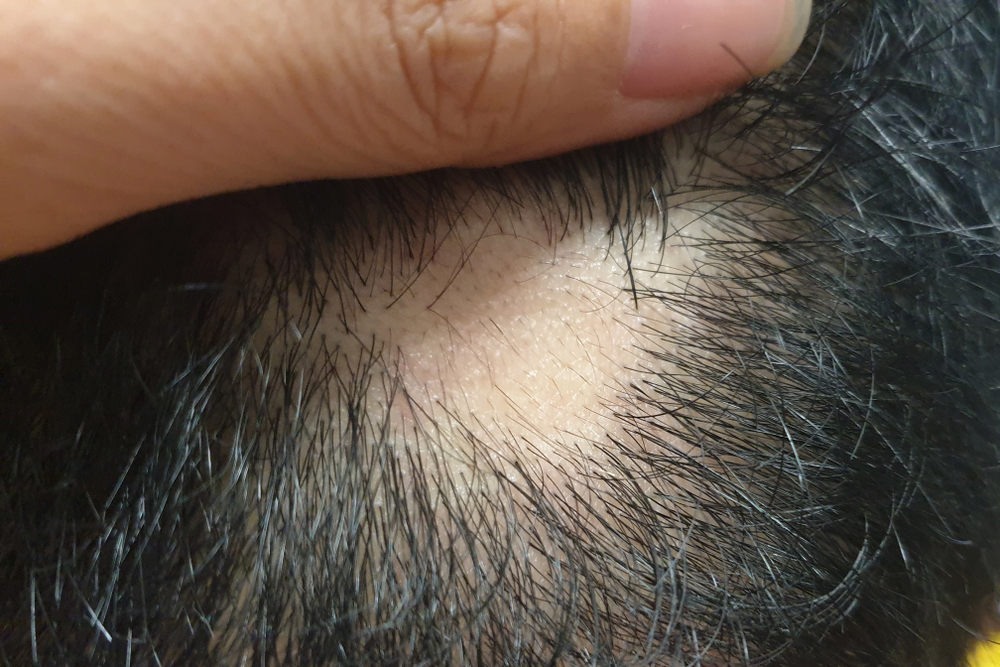
You exit the shower, dry your hair with a towel, and see something odd in the mirror: a smooth, perfectly circular bald spot where hair should be. It occurred without itching, warning signs, or a discernible reason. Each year, for many people, that moment looking in the mirror is when they first notice alopecia areata, an autoimmune condition where the body mistakenly turns against its own hair follicles. It can appear at any age but tends to show up between the teens and thirties, and it affects both men and women. The experience can feel unsettling, but with the right understanding and the right help, there is often a clear path forward.
What Is Alopecia Areata and What Causes It?
Alopecia areata is an autoimmune condition. That means your immune system, which is supposed to protect you from outside threats like viruses and bacteria, mistakenly identifies your hair follicles as something harmful and starts attacking them. The attack causes the hair to stop growing and fall out, often in clean, round patches. The exact reason the immune system goes off course is not fully known, but a combination of genetic and environmental factors is believed to be at play.
It usually shows up as coin-sized bald spots on the scalp, but it can also affect the beard, eyebrows, and eyelashes. In some people, the nails may also be involved, with small dents or pits that make them feel rough to the touch. In more serious cases, it can lead to complete hair loss on the scalp, known as alopecia totalis, or across the whole body, known as alopecia universalis. These severe forms are far less common than the patchy version most people experience.
Risk Factors and Triggers Behind Alopecia Areata
While the exact cause of alopecia areata remains unclear, certain factors increase the likelihood of its occurrence. Genes play a big part, so people with a family history of the condition are at higher risk. People with a personal or family history of other autoimmune conditions, such as thyroid disease or vitiligo, also have a higher chance of developing it. The condition is not contagious and cannot be passed from one person to another through contact.
Things like stress, a recent illness, or a physical injury may set it off in people who are already at risk, but in many cases, there is no obvious trigger at all. The hair loss can appear suddenly, sometimes within a few weeks, and without any clear reason.
Will Alopecia Areata Grow Back on Its Own Without Treatment?
For mild cases with just one or two patches, hair often grows back on its own within a year, and most people see full regrowth without any treatment. The follicles are not permanently damaged, so they can start producing hair again once the immune attack settles.
The odds of natural regrowth decrease when more than half the scalp is affected or when hair loss spreads across the whole body. The more widespread the condition becomes, the harder it is for the body to recover on its own.
Even after hair returns, many people experience new patches later in life. The condition is unpredictable, with cycles of loss and regrowth that can repeat over many years, which is why staying in touch with a specialist is often a good idea. Some people only have one episode in their lifetime, while others see new patches return every few months or years, with no clear pattern.
What Are the Treatment Options for Alopecia Areata?
There is no cure for alopecia areata yet, but alopecia areata treatment aims to calm the immune system and help hair regrow more quickly. The right option depends on the severity, the patient’s age, and how the condition is progressing.
Common treatments include:
- Steroid injections into bald patches to reduce the immune attack on the follicles.
- Topical steroid creams or foams applied to the scalp for milder cases.
- Minoxidil, a topical solution that encourages regrowth and is often used alongside other treatments.
- Phototherapy, which uses controlled ultraviolet light to help reduce hair loss.
- Oral medications, including newer drugs that can quiet the immune system in more widespread cases.
For severe forms like alopecia totalis and universalis, treatments are less reliable, and many people work with a specialist to manage symptoms over the long term rather than aiming for a full cure.

How Do You Know If Your Hair Loss Is Alopecia Areata?
Hair loss does not always mean you have alopecia areata. Early-pattern baldness, scalp infections, telogen effluvium, and stress-related shedding can all cause patches or thinning that may look similar at first glance.
Without a proper check, it is easy to confuse one type of hair loss for another, and using the wrong treatment can waste time and money while the real cause continues. A hair loss specialist can tell you exactly what is going on through a scalp exam, a medical history review, and sometimes a small biopsy or blood test. They can also check for other autoimmune conditions that often appear alongside it.
Getting the right diagnosis matters because the next step depends entirely on what is actually happening. For an autoimmune condition, that may mean medications to manage the immune response. For pattern baldness, a permanent solution like FUE hair transplantation may be the better path forward.
You Do Not Have to Face Hair Loss Alone
Hair loss looks different for everyone, and the right next step depends on what is actually causing it. At Grow & Glow Hair Clinic in Bangkok, every consultation starts with a full assessment so you walk away with a clear diagnosis and a plan that fits your situation, whether the cause turns out to be an autoimmune condition like alopecia areata or something genetic like pattern baldness.
For patients diagnosed with pattern hair loss, the clinic is also a trusted FUE hair transplantation clinic in Bangkok, offering a minimally invasive procedure with permanent, natural-looking results for men and women alike. Getting a proper diagnosis early can save months of guessing, so reach out to the team at Grow & Glow and find out what is really behind your hair loss.
References:
- Alopecia Areata. Retrieved on 13 May, 2026 from https://my.clevelandclinic.org/health/diseases/12423-alopecia-areata
- Alopecia Areata. Retrieved on 13 May, 2026 from https://www.ncbi.nlm.nih.gov/books/NBK537000/
- Hair loss types: Alopecia areata overview. Retrieved on 13 May 2026, from https://www.aad.org/public/diseases/hair-loss/types/alopecia
Frequently Asked Questions About Alopecia Areata


