


What is an Asian Hair Transplant? How Is It Different?
Key Takeaways
Asian hair is thicker, straighter, and darker than hair from other ethnicities, which creates both advantages and challenges during transplant surgery. Techniques like FUE, DHI, and FUT can deliver strong results when adjusted for Asian hair texture. Choosing an experienced surgeon and getting an early assessment are the most important factors for achieving a natural, long-lasting outcome.
Hair types vary, and so do hair transplant methods. Asian hair has distinct characteristics that influence transplant surgery planning and execution for individuals of Asian descent. The good news is that with the right technique and an experienced surgeon, Asian hair transplant results can look incredibly natural.
In this guide, we walk you through what makes Asian hair different, which procedures work best, and what to expect during recovery.
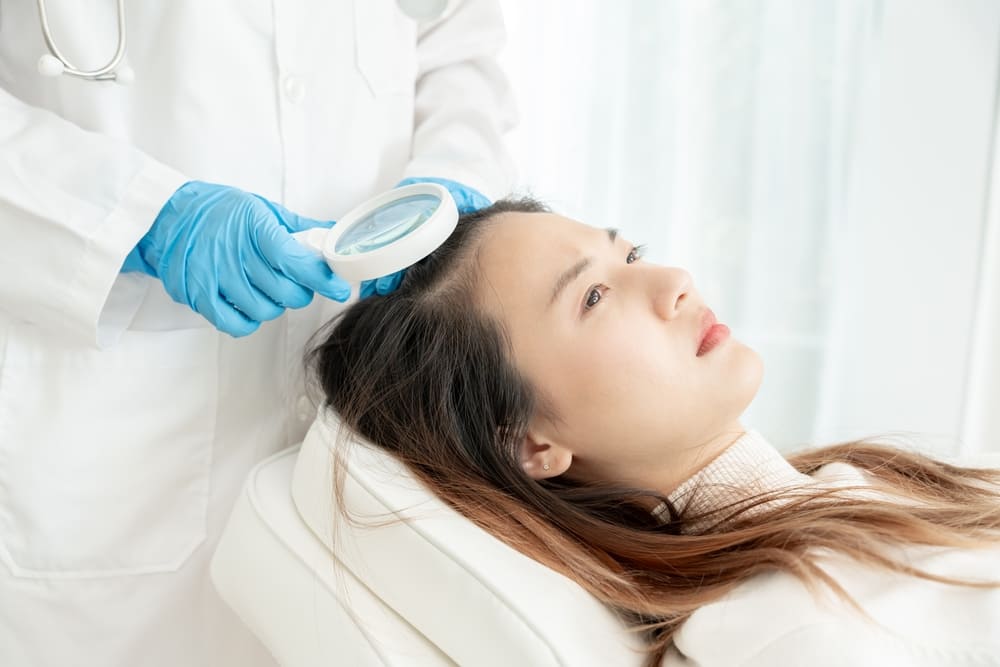
What Makes Asian Hair Unique?
Asian hair stands out from other ethnic hair types in a few important ways. It tends to have a round cross-section, which gives it that characteristically straight shape. Individual strands are also thicker and have a darker pigment compared to Caucasian or African hair types.
These features actually work in your favor during a transplant. Thicker strands provide better visual coverage per graft, meaning fewer grafts can sometimes achieve a fuller look. However, that same thickness creates a sharper contrast against lighter scalp skin. Every gap between hairs becomes more noticeable, which is why precision in placement matters so much.
Remember that Asian patients generally have less follicular density per square centimeter.Remember that Asian patients generally have less follicular density per square centimeter. This implies the donor region on the back of the head contains a limited number of follicular units, necessitating careful surgical planning to maximize their use and prevent over-harvesting.
Is Asian Hair Transplant Different?
The short answer is yes, and the differences go beyond just how the hair looks.
Because Asian hair grows straight and sits close to the scalp, the angle and direction of each graft must be carefully controlled. If hairs are placed at the wrong angle, they can stick out or create an unnatural, pluggy appearance. This is one of the main reasons Asian hair transplant requires a different procedure approach.
The high contrast between dark hair and light skin also makes any scarring or uneven spacing more visible. With curly or lighter-colored hair, minor imperfections tend to blend in. That is not the case with straight, dark Asian hair. Your surgeon needs refined tools, smaller punch sizes, and a deep understanding of natural growth patterns to achieve the right result.
When the procedure is done well, the thickness of Asian hair means each graft carries more visual weight, so that the results can be excellent.
Techniques for Asian Hair Transplant
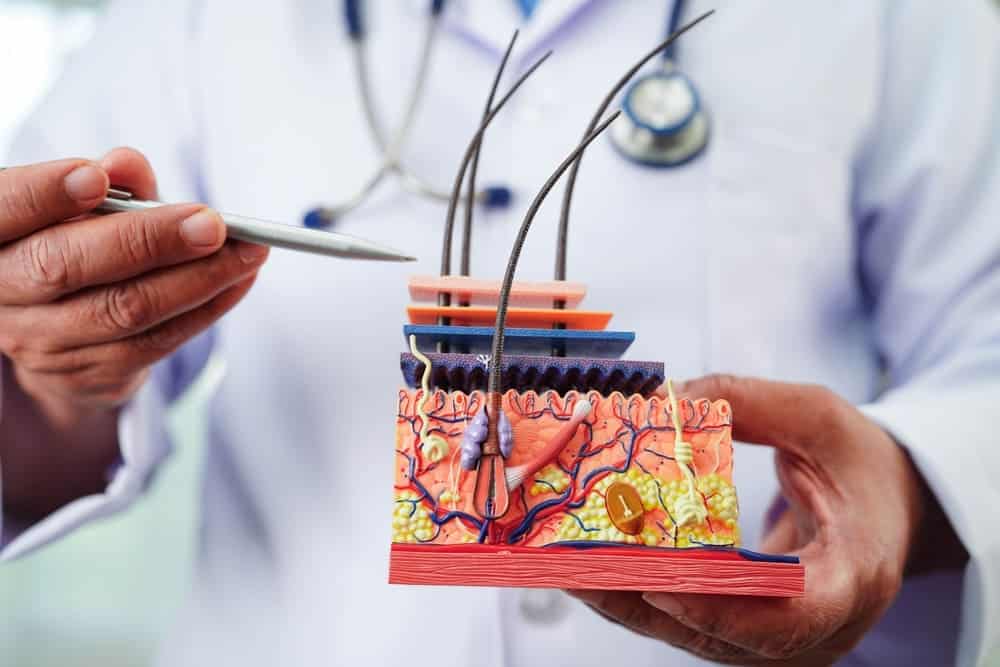
Three main techniques are used in Asian hair transplants, each with its own strengths depending on your needs.
- FUE (Follicular Unit Extraction) involves individually extracting follicles using a small punch tool. It leaves no linear scar, which makes it a popular choice for patients who wear their hair short. For Asian hair, the surgeon must use precise punch sizes to avoid damaging the thicker follicles during extraction.
- DHI (Direct Hair Implantation) takes things a step further. A Choi implanter pen is used to extract and place each graft in a single motion, without pre-made incisions. This gives the surgeon greater control over the angle, depth, and direction of each hair, which is especially useful for creating natural-looking density on straight, dark hair.
- FUT (Follicular Unit Transplantation) is the strip method, where a thin strip of scalp is removed from the donor area and individual grafts are separated under a microscope. It can yield more grafts in a single session, making it suitable for more advanced hair loss. The scar is managed with a technique called trichophytic closure, which allows surrounding hair to grow through the scar line.
Your surgeon will recommend the best method based on your degree of hair loss, donor supply, and personal preferences.
Asian Hair Transplant for Men and Women
Hair Transplants for Asian Males
For men, Asian male hair transplant cases often involve a receding hairline at the temples, thinning at the crown, or both. Asian male hairlines tend to be softer and more rounded than Western hairlines, so hairline design needs to reflect that. A straight, angular hairline would look out of place on most Asian faces.
The key for men is early action. The sooner hair loss is assessed, the more donor supply is available and the more options a surgeon has to work with. Staged procedures may be recommended for younger patients to plan for future progression.
Hair Transplants for Asian Females
Women seeking an Asian female hair transplant procedure often deal with different patterns. Diffuse thinning across the scalp, a naturally high hairline, or widening part lines are the most common concerns. A transplant can lower the hairline and restore a more feminine frame around the face.
When planning for female patients, distribute grafts meticulously to achieve a natural appearance and prevent excessive donor area harvesting. Some women opt for no-shave or partial-shave methods to hide surgical evidence while healing.
Recovery and Results Timeline
One of the advantages of Asian hair is its faster growth rate, which can translate to quicker visible results and recovery time for Asian hair transplants.
In the first 2 to 4 weeks, it is normal for transplanted hairs to shed. This is part of the natural cycle, and it does not mean the grafts have failed. New growth begins beneath the surface and starts pushing through around the 3 to 4 month mark.
By 4 to 6 months, many Asian patients notice meaningful improvement in density and coverage. Full results, where the transplanted hair has thickened and matured, typically appear around 9 to 12 months after the procedure.
During recovery, follow your surgeon’s aftercare instructions closely. Gentle washing, avoiding direct sunlight, and limiting strenuous activity in the early weeks all support graft survival and help you get the best possible outcome.
Restore Your Hair with Expert Care in Bangkok
Home remedies and generic treatments only go so far. When hair loss is affecting your confidence, a professional assessment is the smartest first step. A specialist can evaluate your hair type, scalp condition, and degree of hair loss to develop a plan that fits your situation.
Here at Grow & Glow Hair Clinic in Bangkok, we offer personalized scalp analysis and hairline design tailored to Asian facial features and hair structure. Our clinic provides FUE, FUT, DHI, and combination techniques at an internationally equipped facility trusted by both local and international patients, all in helping you restore your hair to its best condition.
If you are considering hair transplant surgery in Thailand, book a consultation and get a treatment plan tailored to your hair type and goals. Contact our clinic at 084-501-9989 or visit growandglowhairclinic.com today for more info.
References:
- Hair Restoration in East Asians. Retrieved April 22, 2026, from https://ishrs.org/hair-restoration-in-east-asians/
Frequently Asked Questions About Asian Hair Transplants


