


What Biotin Can and Cannot Do for Your Hair
Key Takeaways
- Biotin is a B vitamin that supports keratin production, the structural protein that forms the hair shaft.
- Supplementing biotin helps mainly when there is a genuine deficiency. For people with normal levels, the evidence for faster growth is weak.
- One study found biotin deficiency in 38% of women complaining of hair loss, so a meaningful portion may benefit, but not everyone with thinning hair does.
- Most adults meet their daily biotin needs through food such as eggs, salmon, nuts, and sweet potatoes.
- High-dose biotin can interfere with certain lab tests, so doctors often recommend pausing it before blood work.
- Biotin cannot reverse pattern hair loss driven by hormones or genetics. Advanced or sudden hair loss needs a proper medical diagnosis.
Biotin for hair is one of the most heavily marketed supplements on the shelf, yet most people do not know when it actually works and when it does not. It appears in shampoos, gummies, and beauty capsules, often with promises of thicker, faster-growing hair. Understanding what biotin can realistically do for your hair saves you money and helps you recognize whether something more is needed. This guide covers how biotin supports hair health, what the scientific evidence actually shows, the right dosage, and when it is time to look beyond supplementation.

What Is Biotin and What Does It Do for Hair?
Biotin is a water-soluble B vitamin that plays a key role in producing keratin, the structural protein that makes up the hair shaft. Without enough of it, hair can become weaker and more brittle. It is found naturally in many everyday foods, which is why most people maintain healthy levels without ever thinking about it.
- Adequate biotin levels support stronger, less brittle strands, but having more than your body needs does not automatically mean faster or thicker growth.
- True deficiency is less common than supplement marketing suggests.
- When deficiency does occur, it usually arises from specific medical conditions, restrictive diets, or certain medications.
This distinction is the foundation of everything else. Biotin acts as a building block, not a growth accelerator, so its effect on your hair depends almost entirely on whether your levels were low to begin with.
Does Biotin Actually Help Hair Growth?
The honest answer about biotin for hair growth depends entirely on whether you are deficient in the first place. In people with normal biotin levels, research shows little strong evidence that extra biotin meaningfully accelerates growth on its own. Most documented cases where biotin improved hair involved patients with a confirmed deficiency, not healthy individuals taking beauty supplements.
The picture is not entirely one-sided, though. One study found a deficiency in roughly 38% of women experiencing hair loss, meaning a significant portion may genuinely benefit, even if not everyone with thinning hair falls into that group. That 38% figure is often quoted in supplement marketing, but the same research stressed an important point. Many of those women also had other contributing factors, and biotin should not be used as a blanket treatment without first confirming a deficiency through proper testing.
What Benefits Can You Realistically Expect?
The real biotin benefits for hair become clear once you separate genuine deficiency from general thinning.
- If you are low in biotin, correcting the deficiency can reduce shedding, improve hair strength, and lessen breakage and split ends.
- Shine, texture, and overall strand resilience may improve as keratin production becomes better supported.
- For hair loss driven by hormones, genetics, or scarring conditions, biotin alone is unlikely to make a meaningful difference without addressing those root causes.
In short, biotin can help your hair look and feel healthier, and it can reduce breakage when a true shortfall is corrected. What it cannot do is regrow hair that has already been lost to causes unrelated to nutrition.
How Much Biotin Should You Take and Is It Safe?
Dosage matters, and more is not always better. For most people, food already provides what the body needs.
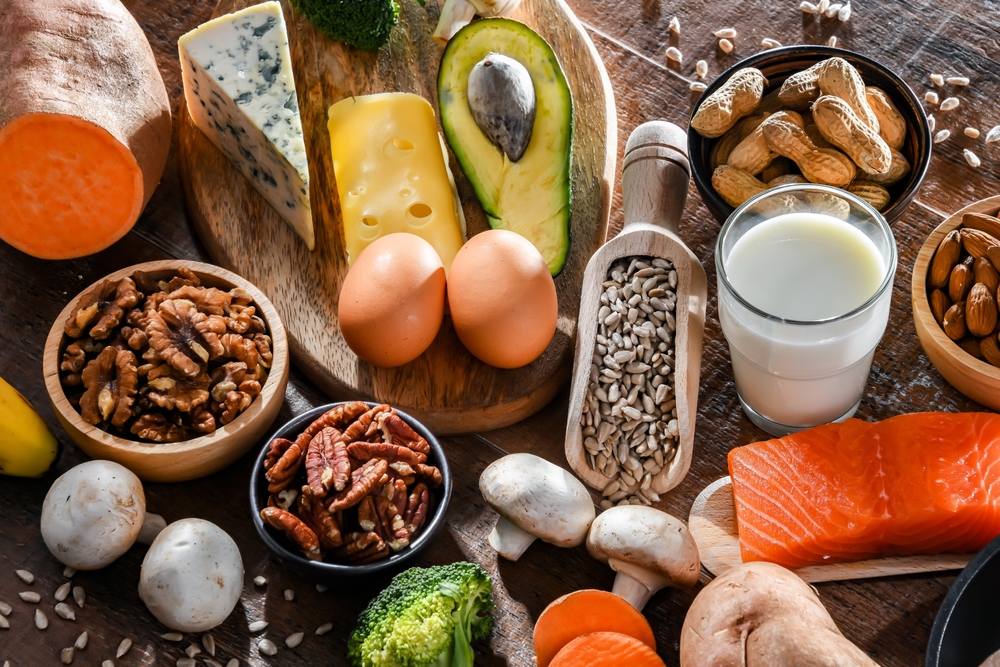
- Most adults meet their daily biotin needs through food such as eggs, salmon, nuts, and sweet potatoes, without needing a supplement.
- Hair and nail supplements typically provide one to three milligrams per day, while deficiency treatment in clinical settings may use five milligrams or more.
- High-dose biotin can interfere with certain lab tests, including thyroid and cardiac markers, so doctors often recommend pausing supplementation before blood work.
This last point is the most overlooked. Because high-dose biotin can skew important test results, it is worth telling your doctor about any supplement you take, especially before scheduled blood work.
When Biotin Helps and When It Is Not Enough
The clearest way to use biotin well is to match it to the right situation, rather than reaching for it as a default fix for any kind of hair concern.
When Biotin Helps
Biotin makes the most sense when deficiency is confirmed or suspected, when brittleness is linked to poor nutrition, or as part of a broader plan that also addresses iron, zinc, and vitamin D. In these cases, it supports stronger strands and can reduce breakage as part of a well-rounded routine.
When Biotin Is Not Enough
Using biotin for hair loss has clear limits. For male or female pattern hair loss driven by DHT, biotin plays only a supportive role at best, and targeted treatments such as minoxidil or finasteride are usually needed. Sudden, patchy, or severe hair loss requires proper medical diagnosis and cannot be addressed by supplementation alone. Thinking of biotin as one piece of a larger picture, rather than a standalone cure, leads to more realistic results and helps you avoid months of waiting on a supplement that was never going to solve the underlying problem.
When hair loss is advanced, or it has not responded to nutritional correction or topical treatments, a procedural solution may be the most effective path forward. Thailand has become a leading destination for hair restoration, offering internationally trained surgeons, modern facilities, and costs significantly lower than clinics in Western markets. A consultation can help identify the true cause of your hair loss and determine whether a transplant, medication, or a combined approach is the right step.
Stop guessing and get a proper diagnosis. As a trusted hair transplant clinic in Thailand, Grow & Glow Hair Clinic offers expert consultations to assess your hair loss and build a plan that matches your situation. Book your consultation today and move forward with a clear, evidence-based treatment path.
References:
- Biotin Fact Sheet for Consumers. Retrieved April 27, 2026, from https://ods.od.nih.gov/factsheets/Biotin-Consumer/
- Hair Loss: Diagnosis and Treatment. Retrieved April 27, 2026, from https://www.aad.org/public/diseases/hair-loss
Frequently Asked Questions About Biotin for Hair


