


Why Hair Loss After Pregnancy Happens and What Helps
Key Takeaways
Postpartum hair loss, medically known as telogen effluvium, is a temporary form of shedding triggered mainly by the sharp drop in estrogen after birth. It usually starts between one and six months postpartum, peaks around month three or four, and resolves on its own within 6 to 12 months. Stress, broken sleep, nutritional gaps while breastfeeding, and thyroid changes can all amplify the shedding. The hairline and temples tend to thin first because those hairs are finer and more responsive to hormonal swings. If shedding continues past the first year, worsens, or comes with patches or visible scalp, a specialist assessment is the right next step.
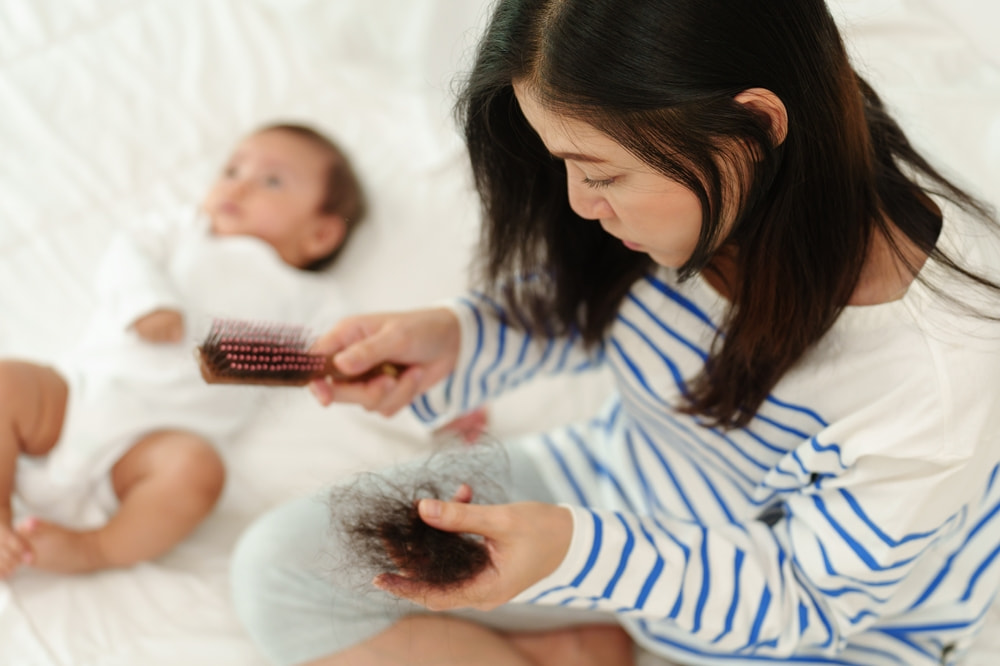
Postpartum hair loss can feel unsettling. You spot a clump in the shower drain, and a few weeks later, your hairline looks patchier in a photo than you remember, and your ponytail feels noticeably thinner. For most new mothers, this wave of shedding shows up a few months after giving birth and feels alarming the first time it happens.
The good news is that this kind of shedding has a name, a predictable timeline, and almost always resolves on its own. Here is what causes hair loss after pregnancy, why the hairline thins first, how long it usually lasts, and when it is worth seeing a specialist.
What Postpartum Hair Loss Actually Is
Postpartum shedding is a form of telogen effluvium. A larger-than-usual share of hairs shifts into the resting phase at the same time, then falls out together a few months later.
During pregnancy, high estrogen levels keep more hairs locked in the growth phase, which is why so many women notice fuller, thicker hair through those nine months. But after delivery, estrogen drops sharply, and all those hairs that were held in growth move into shedding at once.
This is reactive shedding, not a follicle disease. The scalp itself looks healthy, and the hair grows back as the cycle resets. It is different from scarring hair loss, where follicles are permanently damaged.
The Main Causes of Female Hair Loss After Pregnancy
The drop in estrogen after delivery is the primary driver of female hair loss after pregnancy, but several factors layer on top. The main causes of hair loss after pregnancy include:
- Sudden estrogen drop: Hormone levels fall within days of birth, but the visible shedding shows up around three to four months postpartum.
- Physical stress of childbirth: Blood loss, surgery in the case of a cesarean, pain, and disrupted sleep all act as physiological shocks that push more hairs into the resting phase.
- Emotional stress and sleep deprivation: The exhaustion of newborn care adds another layer of stress that the hair cycle responds to.
- Nutritional gaps: Breastfeeding raises demands for iron, protein, zinc, vitamin D, and B vitamins. Shortfalls can prolong or deepen the shedding.
- Thyroid changes: Postpartum thyroiditis is common and can mimic or worsen hair loss. Both underactive and overactive thyroid function disrupt the hair cycle.
- Underlying female pattern hair loss: Pregnancy and postpartum changes can unmask genetic thinning, especially in women with a family history.
Why Hair Thinning Around the Hairline Is So Common
The hairs along your hairline and temples are finer and more responsive to hormonal swings than the rest of your scalp. When the postpartum shedding wave hits, those areas show it first.
Daily styling habits add to the problem, as tight ponytails, buns, and clips create traction right where the hair is already vulnerable. The result is the so-called “moth-eaten” look along the front, with shorter baby hairs sticking up as new growth comes through. Those spiky regrowth hairs are actually a sign the cycle is recovering, even if they look untidy at first.
How Long Postpartum Hair Loss Lasts
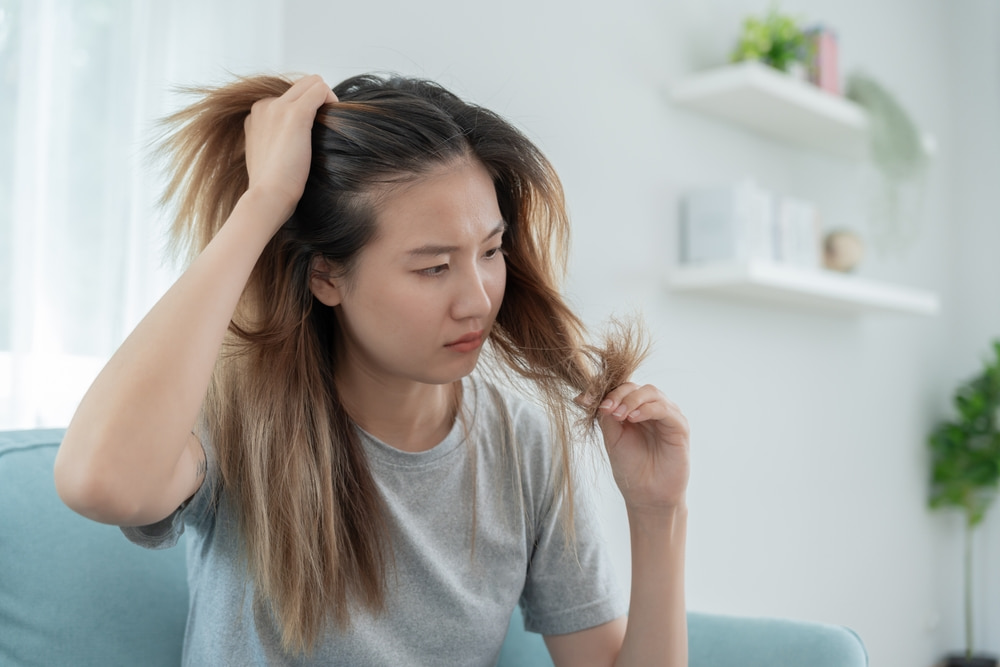
Most women see the shedding begin between one and six months after birth, with month three being the most common starting point. It usually peaks around month four and then slows down.
Hair density typically returns close to baseline by 6 to 12 months postpartum. Ongoing breastfeeding, unresolved stress, or untreated deficiencies can stretch the timeline.
The 12-month mark is a useful checkpoint. If shedding has not improved by your child’s first birthday, or if volume keeps decreasing, it is worth getting a specialist opinion.
Signs the Shedding Is Not Just Postpartum
Most postpartum shedding is straightforward and resolves on its own, but some signs warrant a closer look:
- Visible scalp through the hair, or a part line that keeps widening
- Round patches of bald skin rather than even, diffuse thinning
- Shedding that continues past 12 months or worsens after slowing down
- Fatigue, cold sensitivity, or weight changes that may point to thyroid issues
- Scalp itching, redness, or scaling that suggests an inflammatory cause
Any of these point toward something layered on top of the usual postpartum cycle, and they deserve professional evaluation.
Practical Ways to Support Hair Recovery at Home
While you cannot speed up the hair cycle, you can make recovery easier and reduce breakage in the meantime.
- Wash with a mild shampoo and rinse with lukewarm water. Use a wide-tooth comb on wet hair to limit breakage.
- Keep heat styling to a minimum and skip tight hairstyles that pull on the hairline.
- Eat a protein- and iron-forward diet, and ask your obstetrician about continuing a prenatal or postnatal vitamin while breastfeeding.
- Track changes monthly, not daily. Photos at the same angle and lighting every four to six weeks give a clearer picture than counting strands in the shower.
Visit Grow & Glow Hair Clinic for Proper Postpartum Hair Loss Support
Hair loss after pregnancy can feel distressing, and it’s often layered with stress, sleep loss, and nutritional gaps. But it’s important to know that it’s triggered mainly by the sharp estrogen drop after birth, and is not permanent. While it does resolve on its own within 6 to 12 months, having a professional confirm what is going on can bring you clarity and peace of mind.
This is where Grow & Glow Hair Clinic comes in. Led by Dr. Benz (ISHRS Graduate Fellow, ABHRS Diplomate with over 17 years of experience), we provide in-person evaluations for postpartum hair loss and offer non-invasive options including PRP, Hair Loss Control injections, and Low Level Laser Therapy (LLLT), with treatment plans tailored to new mothers. Plans are built around your situation and reviewed over time as your hair recovers.
Book a consultation today at Grow & Glow, a hair loss clinic in Bangkok trusted by new mothers across the city. Contact us at 084-501-9989 or visit growandglowhairclinic.com.
References:
- Hair Loss in New Moms. Retrieved 30 June 2026, from https://www.aad.org/public/diseases/hair-loss/insider/new-moms
- The Scoop on Postpartum Hair Loss: Why It Occurs and How to Cope. Retrieved 30 June 2026, from https://healthcare.utah.edu/healthfeed/2022/10/scoop-postpartum-hair-loss-why-it-occurs-and-how-cope
- Telogen Effluvium. Retrieved 30 June 2026, from https://www.ncbi.nlm.nih.gov/books/NBK430848/
Frequently Asked Questions About Hair Loss After Pregnancy


