


Hair Transplant Cost in Thailand: What Is Included and Why It Is Lower
Key Takeaways
- Most clinics in Thailand quote pricing per graft, meaning the actual size of your treatment area is what shapes the overall price tag.
- Prices are significantly lower than in the UK, US, or Australia due to local overheads, not a compromise on medical standards at top-tier clinics.
- Always double-check what a quote includes—consultations, surgeon fees, techniques, medications, and follow-up care can vary greatly.
- If a price seems suspiciously low, it often means technicians are handling crucial parts of the surgery rather than a certified doctor.
- Remember to factor in total trip expenses, including clinic visits, recovery time in Bangkok, and long-term hair maintenance back home.
Planning a hair transplant usually comes down to two big questions: how much will it cost, and can you trust the results? In Thailand, procedure prices are typically calculated per graft, with final costs depending on the complexity, the technique used, and who is actually performing the work. Thanks to lower operating costs, Thailand offers world-class, internationally credentialed surgeons at a fraction of Western prices, making it a leading global destination for hair restoration.
In this guide, we break down how pricing works, what should be included in a transparent quote, how to spot red flags, and what to budget for your entire journey. If you are curious about specific options at Grow & Glow, a personalized consultation will give you an exact estimate tailored to your hair loss pattern.
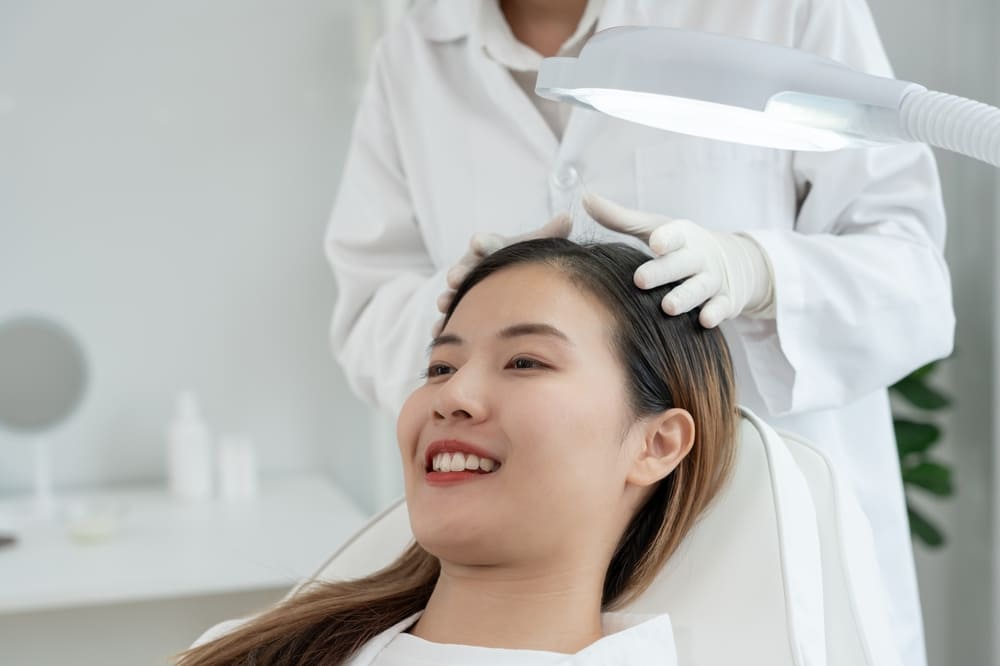
How Hair Transplant Pricing Works
Most reputable hair clinics price their work on a per-graft basis. Keep in mind that a single graft contains a natural cluster of one to four individual hair follicles—so graft count is not the same as total hair count.
Here are the three primary factors that dictate your final bill:
- Graft count. The overall size of the treatment area and your desired density dictate how many grafts you need. Touch-ups along a hairline require far fewer grafts than restoring a full crown.
- Surgical technique. Modern methods like FUE, DHI, and FUT involve different extraction tools, precision instruments, and surgery times, which naturally impact the rate per graft.
- Medical expertise. Having a board-certified hair restoration surgeon hands-on throughout the entire procedure costs more than a procedure delegated to technicians—and that investment directly reflects in the quality and safety of your results.
Why Prices Are Cheap
Significant price gaps between clinics are usually worth investigating. Here are the most common reasons a quote might be surprisingly low:
- Technician-led surgeries. Budget clinics often rely on doctors for quick consultations while unlicensed technicians handle the delicate harvesting and placement steps.
- Over-quoted graft counts. A clinic might advertise a low price per graft but recommend far more grafts than necessary, leading to higher overall costs and over-harvesting of donor hair.
- Hidden add-on fees. Essential components like local anesthesia, post-op washings, and necessary medications are sometimes excluded from the initial estimate.
- High-volume factory models. Clinics scheduling several surgeries a day inherently offer less personal attention and individualized care from the medical staff.
- Unspecialized practitioners. General practitioners lack the specialized training and artistic precision of certified hair restoration specialists.
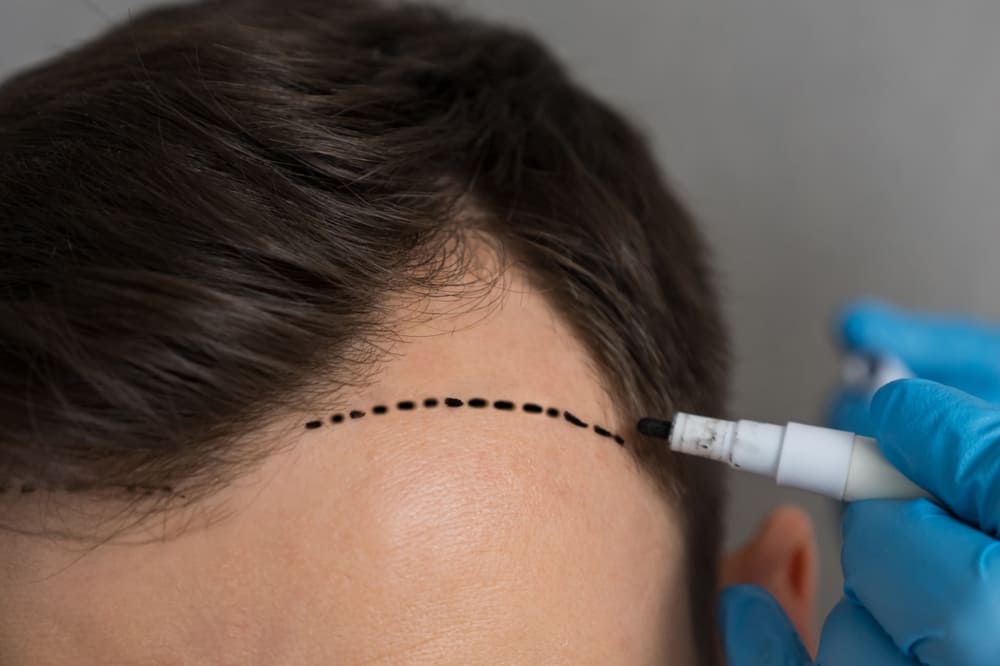
Is a Hair Transplant in Thailand Worth It?
For most international patients, traveling to Thailand yields significant savings even after factoring in flights and accommodation. However, cost shouldn’t be your only deciding factor.
The first step is determining if you are a suitable candidate. A hair transplant works by redistributing healthy follicles from your donor area; it cannot halt future progression of pattern hair loss. Candidates with early thinning might benefit more from medical therapies first, whereas those with extensive hair loss require careful strategic donor management.
- Ideal candidates: Individuals with stabilized hair loss patterns, a healthy donor supply, and realistic expectations.
- Medical therapy candidates: People experiencing diffuse thinning or early miniaturization, where non-surgical treatments can restore density.
- Long-term strategic planning: Younger patients whose loss is still evolving need long-term design strategies to ensure natural-looking results decades later.
Frequently Asked Questions


