


What to Expect During Hair Transplant Recovery
Key Takeaways
- Recovery follows a predictable sequence, but the best results appear months after surgery, not in the first few weeks.
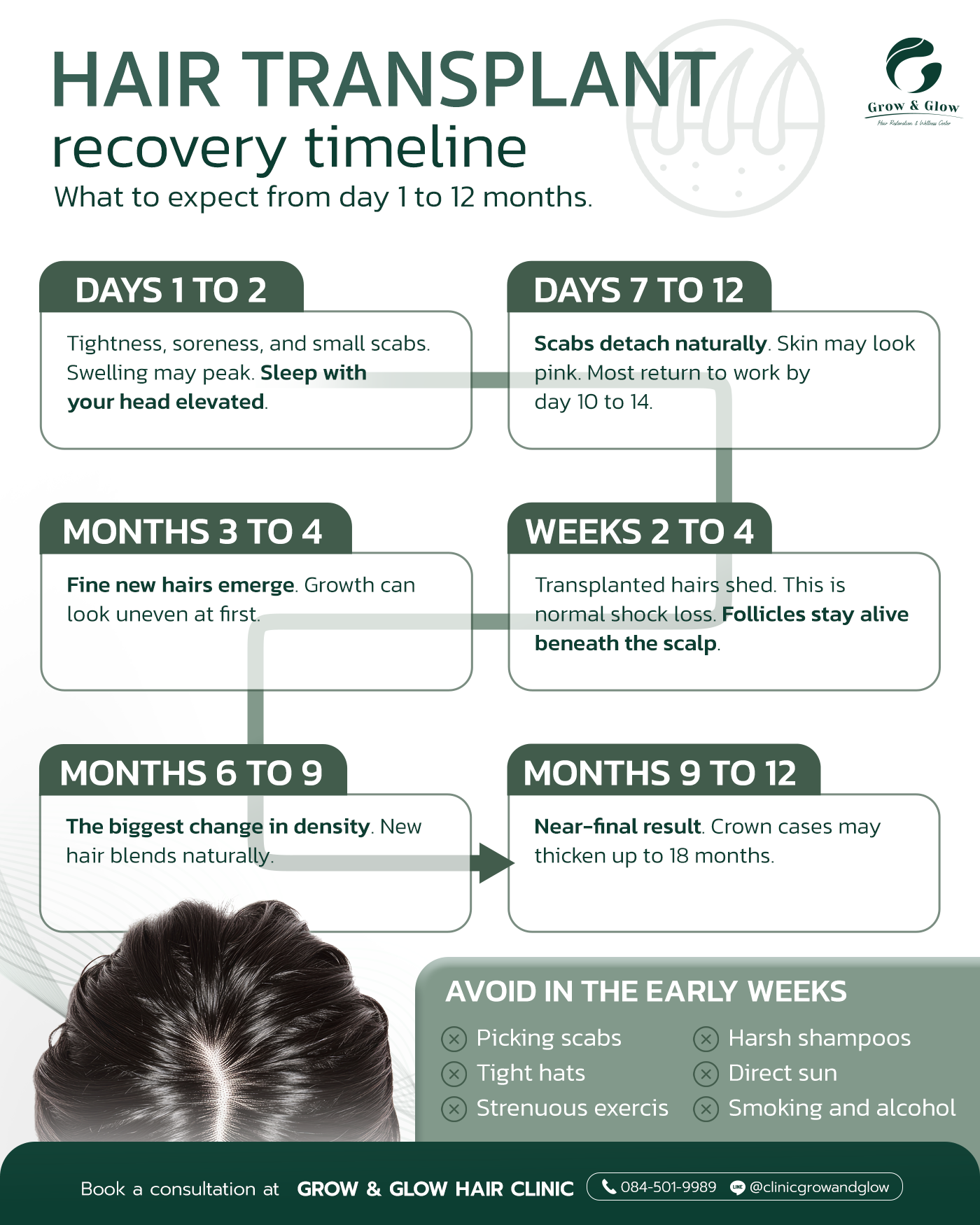
- Swelling, soreness, and small scabs are normal in the first 48 hours, and scabs typically detach between days seven and twelve.
- Transplanted hairs commonly shed between weeks two and four. This is a natural resting phase, not a sign of failure.
- New growth usually begins around months three and four, with the most visible change between months six and nine.
- Most patients reach a near-final result between nine and twelve months, with some crown cases continuing up to eighteen months.
- Protecting the grafts in the early weeks, by avoiding scab picking, harsh products, sun, and strenuous activity, directly affects the final outcome.
Hair transplant recovery follows a predictable sequence, yet most patients are caught off guard when the best results arrive months after surgery rather than in the first few weeks. The procedure itself takes only a day, but the visible transformation unfolds slowly over the course of a year. Without a clear timeline, normal events such as shedding and slow regrowth can feel alarming and lead to unnecessary worry. This guide walks through each phase, from day one to twelve months, so you know exactly what to expect, what is normal, and when to be patient.
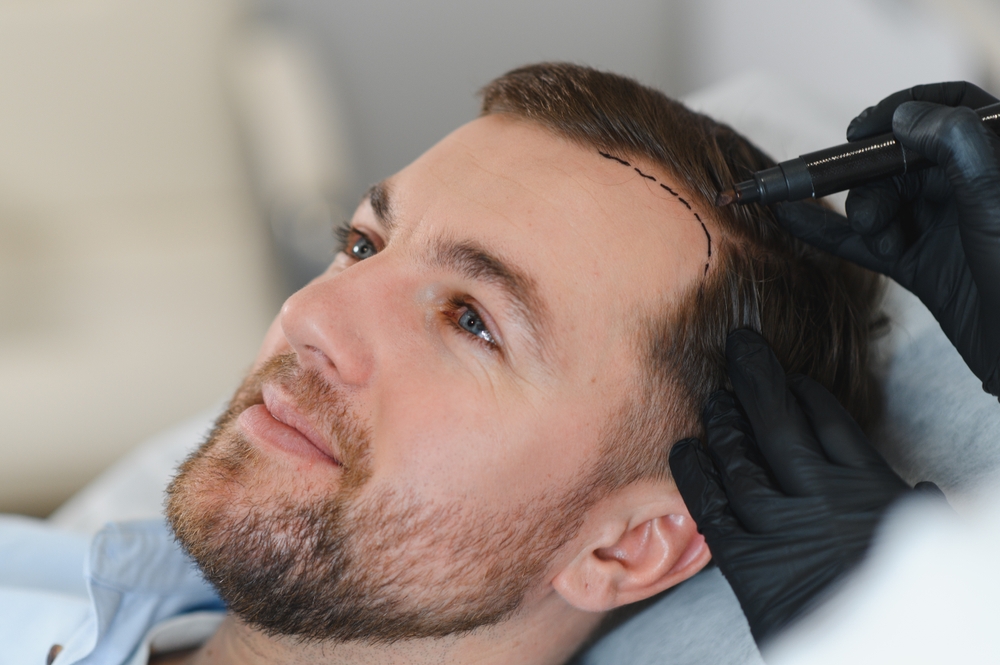
What Happens to Your Scalp Right After Surgery?
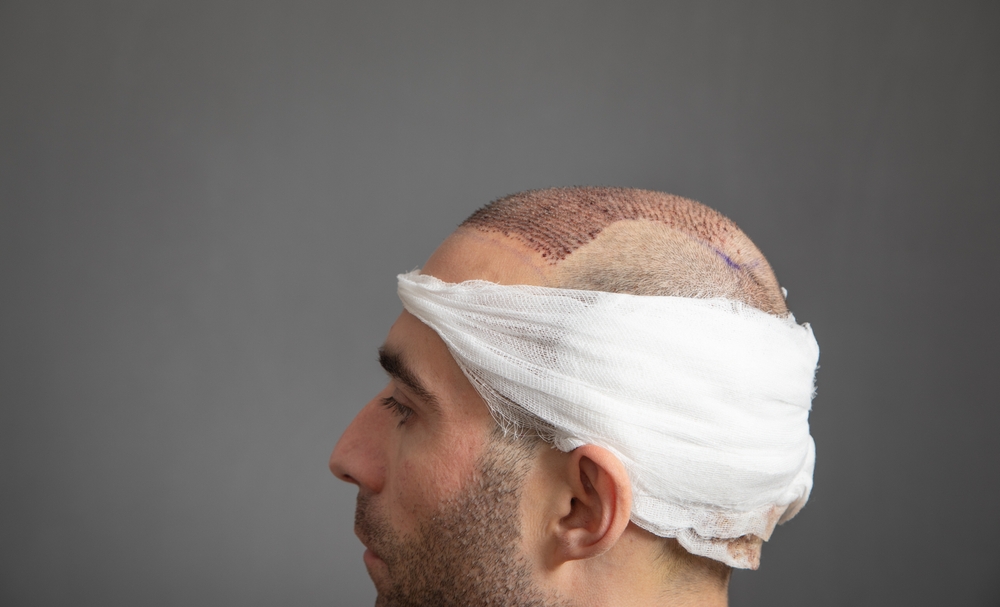
The first 48 hours are the most delicate part of the hair transplant recovery process. During this window, the scalp begins to settle and the grafts are at their most fragile.
- Tightness, soreness, and small scabs form around each graft site as the tiny incisions begin to heal.
- Swelling around the forehead and eyes is common after larger sessions and usually peaks around day two or three.
- Sleeping with the head elevated and avoiding any contact with the recipient area are the two most important rules during this period.
Mild discomfort at this stage is expected and is usually well managed with the medication your clinic prescribes. The donor area, where grafts were taken from, also begins to heal during these first days and may feel tight or numb.
When Do Scabs Fall Off After a Hair Transplant?
Scabbing is a normal sign of healing, and it resolves on its own with gentle care.
- Scabs typically soften and detach between days seven and twelve through gentle soaking and careful washing.
- The skin underneath may appear pink or slightly red. This is normal and fades over the following weeks.
- Most patients feel comfortable returning to work or public settings somewhere between ten and fourteen days after surgery.
The single most important rule during this stage is to let the scabs fall away naturally. Picking or scratching them, even when they feel itchy, can dislodge a graft before it has properly anchored and may affect the final density.
Why Is My Hair Falling Out After a Transplant?
This phase surprises many patients, but it is a completely normal part of recovery and worth understanding in advance.
- Transplanted hairs commonly shed between weeks two and four as the follicles enter a natural resting phase. This does not mean the procedure has failed.
- The follicles remain intact beneath the scalp and will begin producing new growth once the resting cycle completes.
- Most clinics prepare patients for this stage in advance, precisely because it is the most psychologically difficult part of recovery.
The shedding is often called shock loss. It happens because the stress of surgery pushes the follicles into the resting stage of their natural cycle. The visible hair shaft falls away, but the root structure stays in place and resumes growth on its own schedule.
When Will I See Real Hair Growth?
This is the part of the hair transplant recovery timeline most patients look forward to, and it unfolds gradually over several months.
- Fine new hairs typically begin emerging around months three and four, often appearing slightly wiry or uneven at first.
- The biggest visible transformation occurs between months six and nine, when density increases and the transplanted hair begins to blend naturally with surrounding hair.
- Between nine and twelve months, most patients reach their near-final result, with some crown cases continuing to thicken up to eighteen months.
The early growth stage is sometimes described as the ugly duckling phase, because the new hairs can look thin and patchy before they mature. Texture and thickness improve steadily month by month, so comparing progress photos every few weeks is far more useful than checking the mirror daily.
What Can and Can’t You Do During Recovery?
The choices you make in the early weeks have a direct effect on how many grafts survive and how natural the final result looks.
- Desk work is typically possible within two to five days, but strenuous exercise should be avoided for ten to fourteen days.
- Picking scabs, using harsh shampoos, wearing tight headwear, and exposing the scalp to direct sun can all compromise graft survival in the early weeks.
- Smoking and heavy alcohol consumption slow healing and are best avoided throughout the early recovery period.
Most of these rules ease after the first two to four weeks, once the grafts are securely anchored. Following the clinic’s aftercare instructions closely during this short window is one of the simplest ways to protect the investment you have made.
Is It Worth Getting FUT Hair Transplantation in Thailand?
Thailand has become a leading destination for hair restoration, combining experienced surgical teams with costs significantly lower than comparable procedures in Western countries. For patients who require higher graft volumes and want strong, long-term density, the FUT technique is often particularly well-suited, as it allows a large number of grafts to be placed in a single session. A qualified specialist consultation is the best way to confirm candidacy, understand the differences between techniques, and receive a recovery plan tailored to your situation and timeline.
At Grow & Glow Hair Clinic, a trusted provider of FUT hair transplantation in Thailand, every treatment plan is built around your goals and supported by structured aftercare. Do not wait for hair loss to progress further. Book a consultation today and receive a personalized treatment and recovery plan designed for your case.
References:
- Hair Loss: Diagnosis and Treatment. Retrieved May, 2026, from https://www.aad.org/public/diseases/hair-loss
- Medical Tourism in Thailand. Retrieved May, 2026, from https://www.tourismthailand.org/Articles/medical-tourism
Frequently Asked Questions About Hair Transplant Recovery


