


Hair Transplant Timeline: What Happens Week by Week After Surgery
Key Takeaways
- Scabbing and redness clear up within 7 to 14 days, so you can comfortably return to your social routine within two weeks.
- Transplanted hairs shed between weeks two and four—don’t panic! The healthy follicle remains safely rooted underneath.
- Months two and three are a quiet waiting period with little visible change. This is completely normal and expected, not a sign of failure.
- Fresh, fine growth emerges around months three to four, gradually gaining thickness and density through months six to nine.
- You’ll enjoy your full, final results at around 12 months, though the crown area typically takes an extra three to six months to mature.
Recovering from a hair transplant is a journey with a very clear, predictable pattern: gentle healing during the first two weeks, sudden shedding at weeks two to four, a quiet resting phase through months two and three, exciting new growth starting in month four, and your final, beautiful results settling in around the one-year mark. Understanding this natural progression in advance will save you from months of unnecessary worry and give you complete peace of mind.
Here is your step-by-step guide to what you can expect at every stage, what is completely normal along the way, and the few signs that mean it’s time to check in with your clinic.
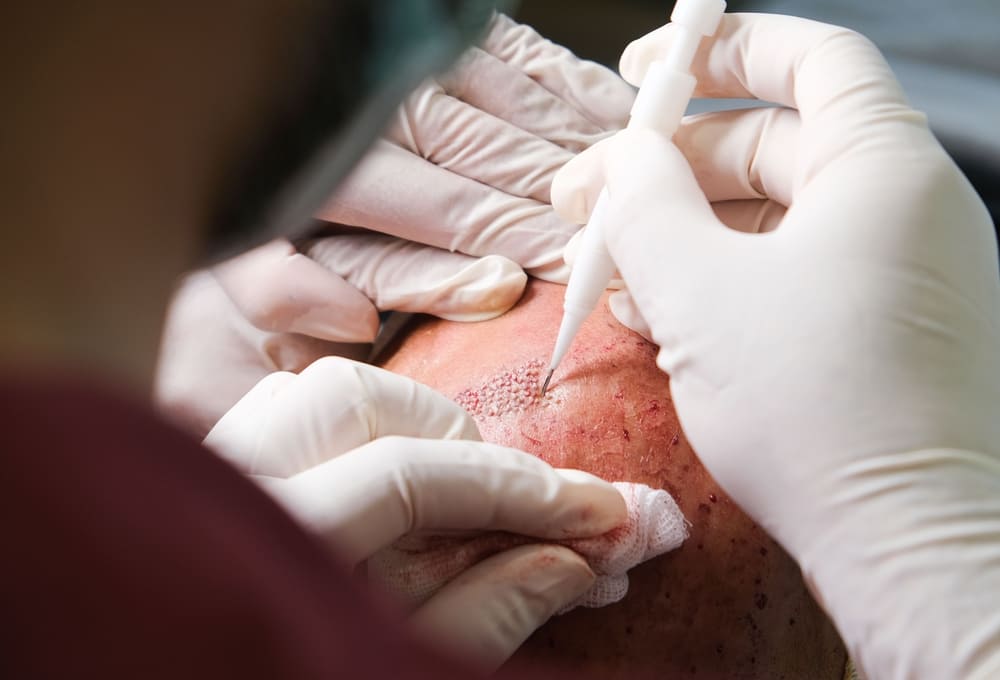
Hair Transplant Timeline at a Glance
| Stage | What is happening | What you will see |
|---|---|---|
| Days 1 to 3 | Grafts are anchoring. Swelling peaks. | Redness, tiny crusts, possible forehead swelling. |
| Days 4 to 10 | Crusts begin to lift with gentle washing. | Scabs clearing, donor area healing. |
| Weeks 2 to 4 | Transplanted hairs shed as follicles enter a resting phase. | Hair falls out. The result appears to disappear. |
| Months 2 to 3 | Follicles rest before entering growth. | Little or nothing visible. The hardest stage mentally. |
| Months 3 to 4 | New hairs push through. | Fine, sparse, sometimes wiry new growth. |
| Months 4 to 6 | Hairs thicken and gain pigment. | First convincing density change. |
| Months 6 to 9 | Coverage and texture improve. | Others notice. Styling becomes possible. |
| Months 9 to 12+ | Final maturation. Crown finishes last. | Final result. Crown may need up to 18 months. |
Week 1: Healing and Protecting the Grafts
Your primary job during week one is simply keeping your new, delicate grafts safe while they settle in. It’s completely normal to see slight swelling, mild redness, and tiny crusts forming around each graft site during these early days.
- Sleep with your head elevated using a few extra pillows for the first few nights to help prevent forehead swelling.
- Resist the urge to touch, scratch, or pick. Let crusts soften and naturally wash away with gentle washing, never with your fingernails.
- Follow your washing instructions closely, starting on the exact day your surgeon advises, taking care to avoid direct water pressure on the recipient area.
- Protect your scalp from direct sun. Your healing skin is delicate and prone to sunburn and hyperpigmentation.
- Pause alcohol, smoking, and strenuous workouts. Giving these a break protects blood circulation and supports optimal tissue healing.
It is very common for swelling to drift down toward your eyes on days two through four before resolving naturally. However, if you experience a fever, spreading redness, pus, or sharp, severe pain, please give your medical team a call right away so we can support you.
Week 2: Crusts Clear and You Look Presentable
- By the end of the second week, you will likely feel much more comfortable stepping back into your regular social life. Most of the crusts will have washed away, any lingering redness will be fading nicely, and your donor site will be well on its way to recovery.
You might still notice a slight pinkish tone on the scalp, which is completely fine and often stays a bit longer on lighter skin tones. If you want to wear a hat around this time, just ensure it’s a loose-fitting style approved by your surgeon so nothing rubs against or places pressure on the healing grafts.
Weeks 2 to 4: Shock Loss, and Why It Is Not Failure
Seeing your newly transplanted hair fall out between weeks two and four can feel shocking, but please take a deep breath—this is a perfectly healthy, expected phase of the process. The temporary hair shaft sheds so the follicle resting safely beneath the skin can reset and start its fresh growth cycle.
There are two forms of temporary shedding you might experience during this time:
- Shedding of transplanted grafts. The short hair stems release, while the vital root remains securely anchored beneath your skin to grow strong new hair later.
- Temporary shock loss of nearby native hair. Existing hairs surrounding the treatment area might temporarily shed in response to surgery. They almost always bounce back fully over the coming months.
We know how unsettling this phase can be, and it’s when we receive the most anxious messages from patients—even though everything is going perfectly! If minoxidil is part of your personal aftercare plan, shedding patterns can look a bit different; our dedicated guide explains how to easily tell them apart.
Months 2 to 3: The Quiet Stretch
Months two and three require a bit of patience. Your scalp may temporarily look thinner than it did prior to your procedure because the transplanted hair has shed and native hair is recovering, while new growth hasn’t broken through the surface yet.
It’s completely natural to wonder if things worked out during this stage, but rest assured, your follicles are simply resting behind the scenes. Trust the process—no special massages, supplements, or scalp treatments will speed up biology, so give yourself grace during this pause.
Here is how to navigate this window best:
- Keep snapping monthly progress photos in consistent lighting—you will love comparing them once month six arrives!
- Ease back into your favorite exercise and fitness routines as soon as your surgeon gives you the green light.
- Stay consistent with any prescribed hair preservation medications, as stopping mid-way can compromise your overall results.
Months 3 to 6: Growth Becomes Visible
Around months three to four, the magic finally begins! You’ll start spotting tiny new hairs poking through the scalp. At first, they might appear delicate, fine, or slightly textured and wiry, which is a normal characteristic of young, maturing hair.
Between months four and six, those new strands will naturally thicken, gain rich pigment, and smooth out. This is the exciting turning point where you can genuinely see your new hairline taking shape in the mirror. Don’t worry if growth seems a bit patchy at month four—each individual follicle wakes up on its own unique schedule.
Months 6 to 12: The Result Settles
By month six, you’ll enjoy rewarding density and can style your hair with newfound confidence. Throughout months six to twelve, the hair continues maturing, getting thicker, softer, and seamless in texture.
While month twelve is the milestone where hairline results reach full maturity, keep in mind that the crown area takes a bit more time to fill in—usually running three to six months behind. If your procedure included the crown, your fullest, final transformation will shine through between 15 and 18 months.
| Area treated | Visible growth | Final result |
|---|---|---|
| Frontal hairline | Months 3 to 4 | Around month 12 |
| Mid-scalp | Months 4 to 5 | Months 12 to 14 |
| Crown | Months 5 to 6 | Months 15 to 18 |
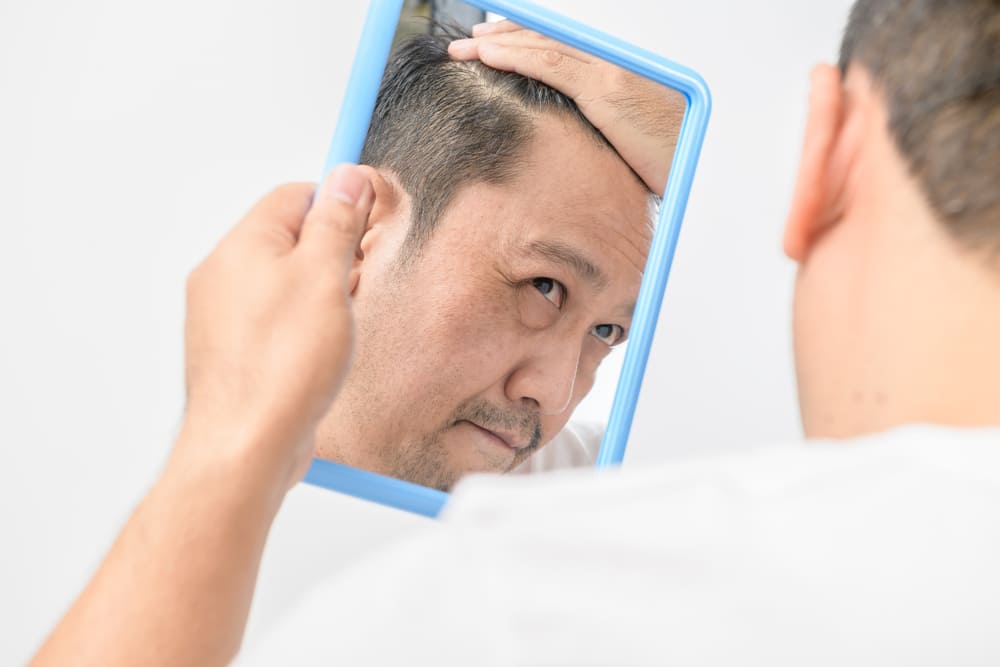
What Affects Your Personal Timeline
- Surgical technique. DHI hair transplant and standard FUE methods place grafts slightly differently and achieve different initial densities, which influences your early appearance more than your final result.
- Graft count and coverage area. Larger restoration sessions simply need a bit more time to blend and look uniform.
- Age and overall wellness. Individual healing capacity, metabolism, nutrition, and natural hair growth cycles vary from person to person.
- Smoking habits. Nicotine reduces crucial blood flow to healing tissue, which is consistently linked to slower recovery and compromised density.
- Ongoing hair loss management. A transplant successfully moves healthy follicles to thin areas, but it doesn’t halt natural hair loss in surrounding native hair—which is why ongoing medical maintenance remains key.
When to Contact Your Clinic
While almost everything you experience in your first year is a smooth part of recovery, we always want you to reach out if you notice any of these uncommon signs:
- Signs of infection, such as a fever, spreading red patches, unexpected discharge/pus, or an unpleasant odor around graft sites.
- Increasing pain that feels worse rather than improving after the first few post-op days.
- Persistent bleeding that doesn’t settle with light, gentle pressure.
- A graft that appears visibly dislodged or knocked loose during your initial recovery week.
- No visible sprout or new growth by month eight in your treatment area.
- A widening donor scar or numbness that lingers far beyond the expected few months.
Your hair transplant journey is remarkably consistent, so you can look forward to each stage with confidence: roughly two weeks to feel comfortable socially, a month of shedding, three months of quiet rest, and then continuous, rewarding growth toward your full result at one year. Remember, the quiet periods aren’t setbacks—they’re just necessary milestones along the way.
Book a consultation with Grow & Glow Clinic in Bangkok to explore tailored techniques, graft strategies, and what your personal timeline will look like.
Frequently Asked Questions


