


How Long Does Minoxidil Take to Work? A Realistic Month-by-Month Timeline
Key Takeaways
- Patience is key—most people need three to six months of consistent use to see new growth, with full results taking up to a year.
- Initial shedding in the first two months is totally normal; stopping early because of shedding is the most common mistake people make.
- Think of Month 4 as your first check-in, Month 6 as your true progress checkpoint, and Month 12 as your peak result.
- Minoxidil manages hair loss rather than permanently curing it, meaning continuous use is necessary to maintain your progress.
- If you haven’t seen any improvement after 12 months, it’s worth revisiting your diagnosis with a specialist.
If you’re looking for a quick answer, expect minoxidil to take about three to six months to show visible new growth, and roughly twelve months to deliver its peak results. That timeline can feel long when you’re eagerly checking the mirror every morning, but hair growth simply takes time.
Hair follicles operate on biological cycles that move in months rather than days. Since hair typically grows about a centimeter per month, even follicles that respond right away need time to grow visible strands. Here is a clear breakdown of what’s happening beneath the surface at each stage, what you can expect to see, and when it makes sense to evaluate your progress.
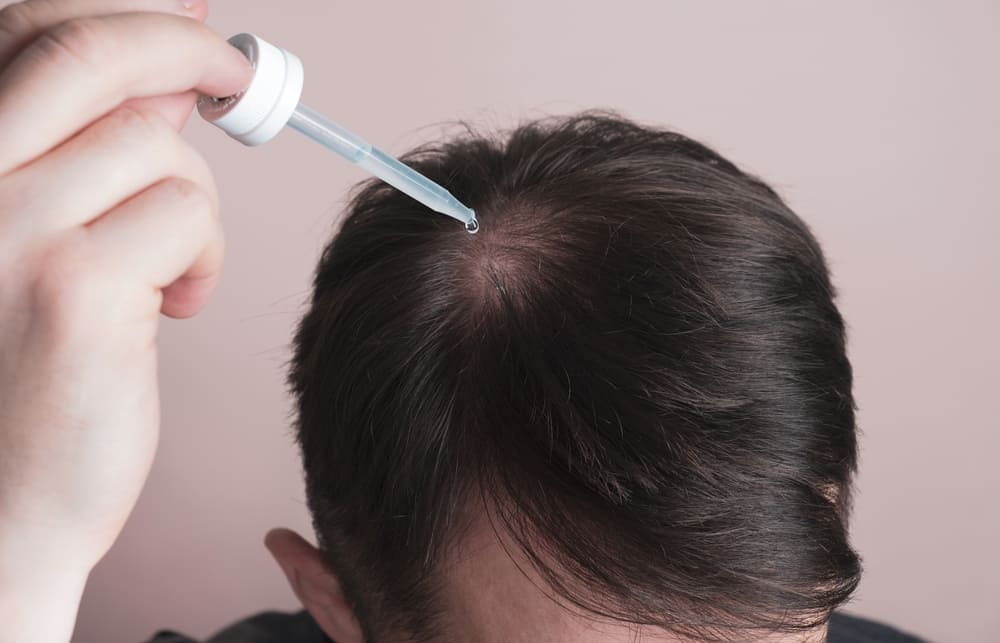
The Minoxidil Timeline
Here is a general minoxidil timeline to help set your expectations. Keep in mind that individual timing varies slightly depending on factors like age, starting condition, and how consistently you apply your treatment.
| Stage | What is happening | What you should see |
|---|---|---|
| Weeks 1 to 4 | Initial absorption phase as follicles transition toward active growth. | Little to no visible change; mild scalp dryness or itching can occur. |
| Weeks 4 to 12 | The resetting phase where older, weaker hairs make way for new growth. | Temporary shedding, which is a normal sign that the treatment is working. |
| Months 3 to 4 | Early growth phase featuring delicate new strands. | Fine “baby hairs” popping up; shedding begins to taper off. |
| Months 4 to 6 | New hairs strengthen, thicken, and regain natural color. | Noticeable improvement in density, often clearer in photos than the mirror. |
| Months 6 to 9 | Sustained development in coverage and overall hair thickness. | Visible growth that others may notice; a good time to evaluate effectiveness. |
| Months 9 to 12 | Response reaches its peak equilibrium. | Full results achieved; focus transitions from gaining density to maintenance. |
Months 1 and 2: Expect Shedding Before Growth
During the first couple of months, minoxidil works behind the scenes by resetting your hair growth cycles. This often triggers a temporary increase in shedding around weeks two to eight as resting hairs are pushed out to make room for healthier growth.
Seeing extra hair fall can be unsettling, but it’s actually a signal that your follicles are responding. Stopping treatment here is the most common reason people miss out on great results, as it cuts off the cycle right before regrowth begins.
How to set yourself up for success in Months 1 and 2:
- Take clear baseline photos before starting. Capture the hairline, crown, and part line in good, consistent lighting with dry hair.
- Build a steady routine by applying minoxidil at the same times each day until it becomes second nature.
- Keep it simple at first—avoid adding multiple new scalp products so you know exactly what is working for you.
- Try not to stress over daily checks; early progress happens quietly underground.
Months 3 and 4: Spotting the First Signs of Progress
By months three and four, the new strands stimulated during the initial phase start surfacing. At first, they may appear fine, short, and light in color—often mistaken for basic fuzz—but this is a fantastic early sign.
With continued treatment, these strands gradually thicken and darken over upcoming growth cycles. Right now, look for subtle indicators of progress:
- Fine new growth appearing along thinner areas or the hairline.
- A return to normal shedding levels as the resetting phase completes.
- Stabilization in areas where hair loss was previously expanding.
Months 6 to 12: Evaluating Your Real Results
Month six is typically when you can make a true assessment of how well minoxidil is working for you, while month twelve showcases the full extent of your regrowth. By this time, new hair has had sufficient opportunity to mature in density and texture.
Here is a helpful guide to measure your progress along the way:
| Checkpoint | Good response | Partial response | No response |
|---|---|---|---|
| Month 6 | Noticeable improvements in density and overall hair fullness. | Shedding stopped with early fine strands appearing. | Little to no difference compared to baseline photos. |
| Month 12 | Clear, satisfying gains in coverage across target areas. | Hair loss has halted, though regrowth remains light. | Thinning has continued despite routine application. |
| Next Steps | Maintain your current routine to preserve results. | Consult a specialist about complementary treatment options. | Schedule an assessment to reevaluate the underlying cause. |
Remember, ongoing application is key to holding onto your progress. Because minoxidil supports active follicle growth rather than permanently changing your genetic baseline, pausing treatment will gradually allow hair loss to resume over time.
Factors That Influence Your Results
Everyone’s journey with minoxidil looks a bit different. Several key factors influence how quickly and effectively you see results:
- Starting Early: Minoxidil works best on active, miniaturizing hair follicles. The sooner you address thinning, the better your response tends to be.
- Consistency: Daily, regular application gives your scalp the continuous support needed for steady growth. Skipping days can throw off progress.
- Proper Technique: Make sure to apply the treatment directly to the scalp rather than just coating the hair, allowing it to dry thoroughly.
- Treatment Area: The crown often responds faster to topical treatments, whereas temple hair lines can take a bit longer to show progress.
- Overall Health: Factors like stress, nutritional balances, or hormonal changes can temporarily affect hair health alongside your treatment.
How to Track Your Progress Comfortably
Since subtle daily changes are hard to notice, taking structured photos is the best way to trace your true growth journey without overthinking it.
- Keep lighting consistent: Take photos in the same room with similar lighting and dry hair each time.
- Use fixed angles: Capture three steady shots—front hairline, crown from above, and your part line.
- Check in monthly: Taking photos once a month reveals real trends rather than daily fluctuations.
- Compare long-term: Always compare your Month 4 or Month 6 photos directly back to Month 0.
- Note lifestyle changes: Keep a brief note of any illness, high stress, or routine adjustments along the way.
What If You Don’t See Results After 12 Months?
If a full year passes with consistent use and no noticeable change, it usually points to a few common reasons rather than simply needing a higher dose:
- Underlying Cause: Minoxidil is tailored primarily for pattern hair loss; other factors like thyroid imbalances or nutrient deficiencies may require a different approach.
- Inactive Follicles: In areas that have been completely smooth for years, follicles may no longer respond to topical stimulation.
- Application Routine: Occasional gaps in application can subtly interrupt the growth cycle.
- Combination Care: Some hair loss types benefit from a multi-targeted approach guided by a professional.
In cases where hair follicles are completely inactive, clinical procedures offer alternative solutions. For example, a DHI hair transplant can restore density by repositioning healthy follicles directly to areas needing fuller coverage.
When to Consult a Specialist
Consider reaching out to a healthcare professional or hair specialist if you experience:
- 12 months of consistent use with no noticeable change in your baseline comparison photos.
- Ongoing thinning that continues to progress despite regular application.
- Uncertainty about your specific pattern of hair loss.
- Scalp discomfort, sudden patchy loss, or unusual irritation.
- Interest in exploring oral minoxidil or alternative clinical treatments.
Minoxidil is a marathon, not a sprint. With a clear understanding of the initial shedding phase and a steady routine, you can comfortably monitor your growth step by step.
If you want expert guidance tailored to your specific hair goals, getting a professional evaluation is a great first step.
Book a consultation with Grow & Glow Clinic in Bangkok to get a personalized treatment plan designed for your hair journey.
Frequently Asked Questions


