


How Often Should You Wash Your Hair for Healthy Results
Key Takeaways
- There is no single correct wash frequency. The right routine depends on your hair type, scalp oil production, and lifestyle.
- Shampoo cleans the scalp and roots, not the hair shaft, so washing too often can leave the ends dry and brittle.
- Fine or oily hair may need washing every one to two days, while coarse, curly, or coily hair often does better once a week or less.
- Daily washing is not bad for hair loss itself, but harsh, aggressive washing can worsen breakage and scalp irritation.
- Hormonal changes such as menopause reduce oil production, so many women need to wash less often as they age.
- Washing habits support scalp health but cannot reverse genetic hair loss, which needs proper clinical assessment.
Most people wash their hair out of habit rather than based on what their scalp and hair type actually need. Some wash every morning without thinking, while others stretch it as long as possible. The question of how often you should wash your hair has no single answer, and getting it wrong in either direction can lead to dryness, irritation, or damage over time. This guide breaks down the right wash frequency by hair type, lifestyle, and age, so you can build a routine that genuinely works for your hair rather than one based on guesswork.
What Actually Happens When You Wash Your Hair?
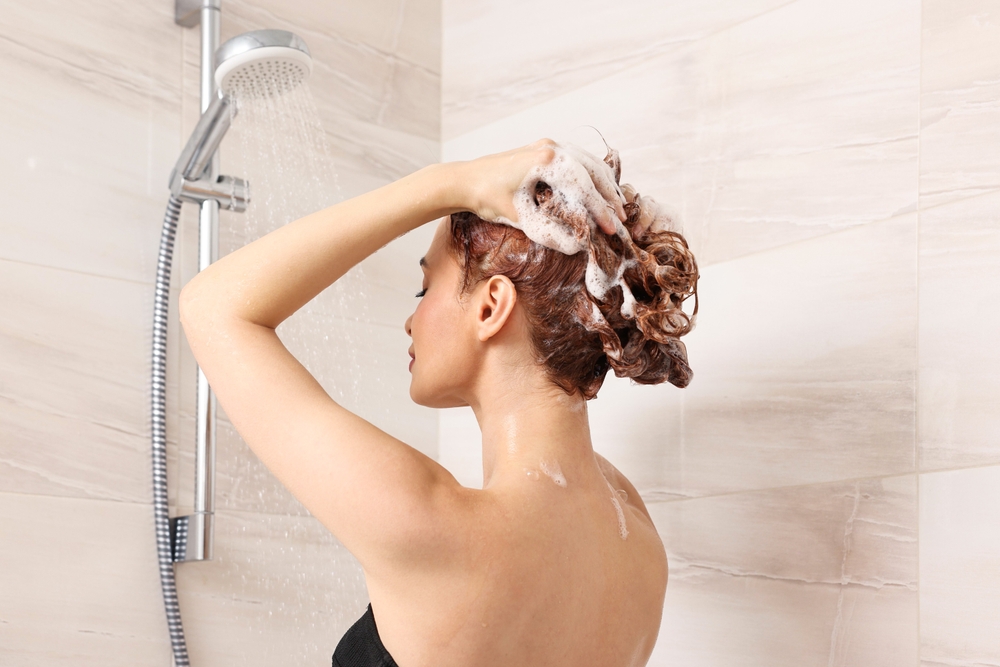
Understanding what shampoo is actually doing makes the frequency question much easier to answer. Washing is really about caring for the scalp, not scrubbing the lengths of your hair. Shampoo primarily targets the scalp and roots, removing excess oil, sweat, and product buildup rather than cleaning the hair shaft itself. Keeping the scalp clean also helps manage yeast and bacteria levels, which in turn reduces dandruff and inflammation.
The balance matters, though. Stripping too much sebum too frequently leaves the scalp dry and the ends brittle, which is why daily washing is not the right choice for most people. Sebum is the natural oil your scalp produces to protect and moisturize your hair, and a healthy amount keeps strands strong. The aim of washing is to manage that oil, not to remove every trace of it.
Should You Wash Your Hair Every Day?
If you have ever wondered if you should wash your hair every day, the answer for most people is no, though there are clear exceptions. Daily washing is generally not recommended for curly, coarse, or chemically treated hair, as it accelerates breakage and dryness. People with fine hair or very oily scalps are the exception, and they may wash every day or every other day without significant damage if they use gentle products.
The real goal is to match your wash frequency to your scalp’s oil production, rather than follow a fixed schedule that ignores your hair’s needs.
A helpful way to judge this is to let oiliness be your guide. If your roots look greasy or your scalp feels itchy, it is time to wash. If your hair still looks fresh, there is no need to wash simply because a day has passed.
How Often Should Women Wash Their Hair by Hair Type?
Texture is the biggest factor, since oil travels down some strands faster than others. On straight, fine strands, sebum slides easily from root to tip, so hair looks greasy sooner. On curly or coily strands, the same oil struggles to travel the twists of the hair, which leaves these types drier. The question of how often a woman should wash her hair comes down to where she sits on this range.
Fine and Thin Hair
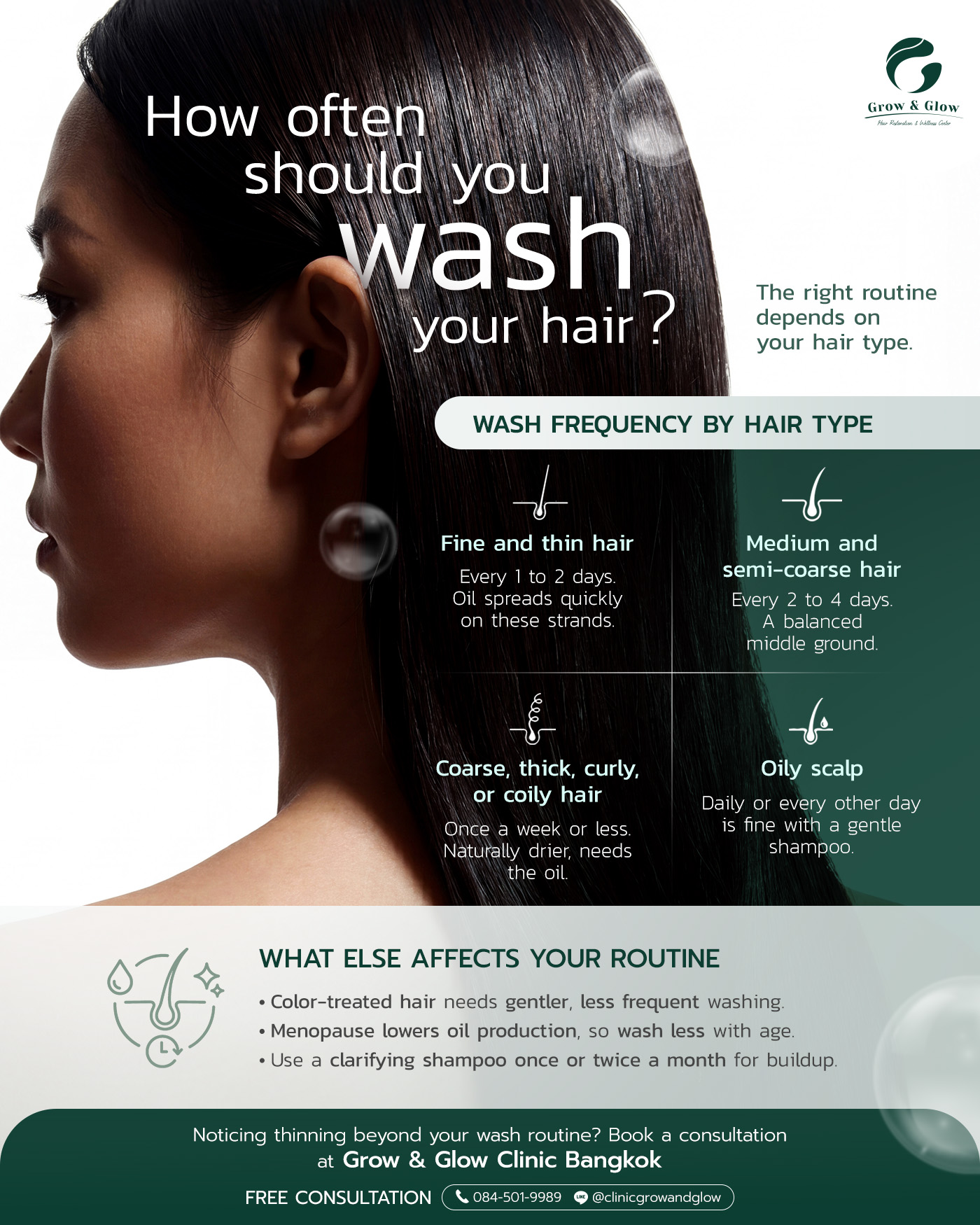
Fine and thin hair tends to get oily faster and generally benefits from washing every one to two days. The strands offer little resistance to oil, so the roots can look flat or greasy quickly.
Medium and Semi-Coarse Hair
Medium to semi-coarse hair sits in a comfortable middle ground and usually does well washed every two to four days. This type holds a healthy balance of oil without becoming greasy too soon.
Coarse, Thick, Curly, and Coily Hair
Coarse, thick, curly, and coily hair types are naturally drier and are better served by washing once a week or even less often to preserve moisture. Over-washing these textures strips the oil they need to stay soft and manageable.
How Age and Hormones Change Things
Hormonal shifts such as menopause reduce oil gland activity, which means many women need to wash less often as they age. A routine that suited you in your twenties may need adjusting later in life.
What Else Affects How Often You Should Wash?
Hair type sets the baseline, but daily life can shift your ideal routine. A few other factors are worth weighing.
- Daily exercise and heavy sweating do not automatically require daily shampooing. Sticking to a schedule suited to your hair type is still the better approach.
- Chemically processed or color-treated hair is more fragile and benefits from less frequent washing paired with focused conditioning on the ends.
- Heavy product use such as gels, sprays, or oils can cause buildup, which a clarifying shampoo once or twice a month can address without disrupting your regular routine.
How to Care for Your Hair Between Wash Days
A good routine is not only about wash days. What you do in between can keep your hair fresh and protected.
- Dry shampoo can absorb excess oil between washes, but it should complement rather than replace traditional shampooing.
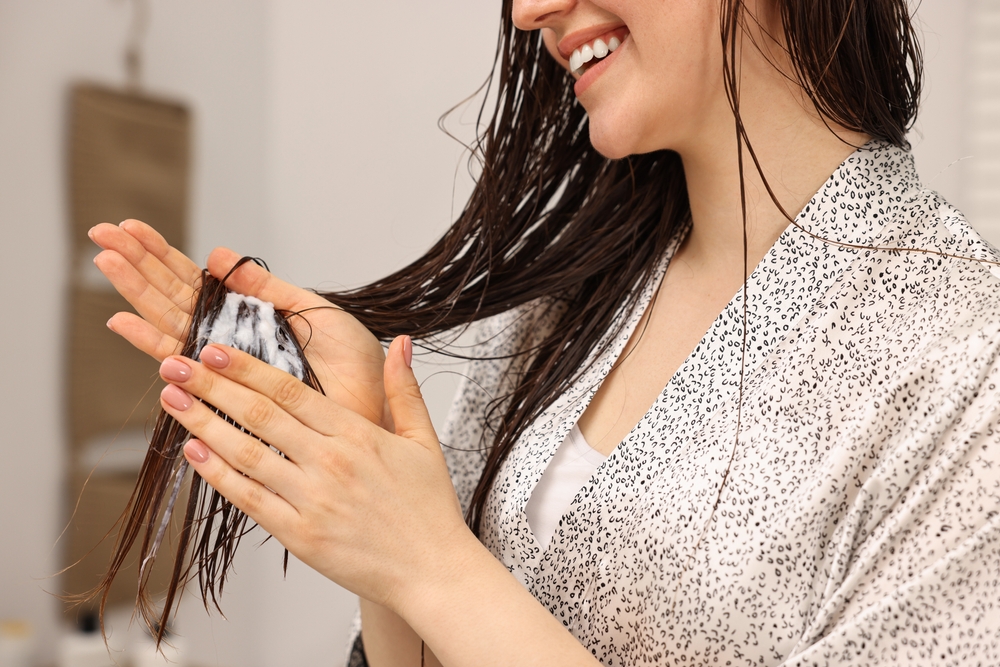
- Apply conditioner and treatment oils to the mid-lengths and ends only, and focus shampoo on the roots to avoid drying out the lengths.
- If you have been over-washing, gradually extend the gap between washes by one day at a time, and expect a short adjustment period while your scalp rebalances.
During that adjustment period, the scalp may feel oilier than usual for a week or two as it learns to produce less oil. This phase is temporary, and most people find their hair settles into a healthier rhythm once it passes.
When Hair Loss Goes Beyond a Washing Routine
A good wash routine supports a healthy scalp, but it has limits. If you are noticing consistent thinning, ongoing shedding, or a receding hairline alongside scalp concerns, a proper hair loss assessment is the right next step. Washing habits affect scalp health, but they do not reverse pattern hair loss driven by genetics or hormones. That kind of hair loss needs targeted clinical treatment.
For hair loss that no shampoo routine can address, an FUE hair transplant offers a long-term, minimally invasive solution with natural-looking results. If thinning or hair loss is becoming a concern beyond your wash routine, book a consultation at Grow & Glow Hair Clinic today and find out whether this treatment is the right solution for you.
References:
- Tips for Healthy Hair. Retrieved May, 2026, from https://www.aad.org/public/everyday-care/hair-scalp-care/hair/healthy-hair-tips
- Hair Loss: Diagnosis and Treatment. Retrieved May, 2026, from https://www.aad.org/public/diseases/hair-loss
Frequently Asked Questions About How Often to Wash Your Hair


