


Minoxidil Shedding: Why Your Hair Falls Out Before Growing Back Stronger
Key Takeaways
- Minoxidil shedding is a completely temporary bump in hair fall. It usually kicks in around weeks two to eight and eases off by month three or four.
- It happens because minoxidil kick-starts resting follicles into a brand-new growth cycle. The old hairs have to make room before fresh, healthier ones can grow in.
- Shedding early on is expected and a good sign. But if it only starts after six months or keeps getting heavier, it is wise to consult a doctor.
- Giving up during the shedding phase is the single biggest reason people don’t get to see minoxidil’s real results.
- Oral minoxidil can trigger a shed too. It often looks more evenly spread across your scalp compared to topical treatments.
- Post-transplant shedding (“shock loss”) is a different process altogether with its own timeline, even if it looks identical in your drain.
Minoxidil shedding is that sudden wave of extra hair fall many people notice during the first few weeks of treatment. It can feel deeply unnerving—almost like the exact opposite of what you hoped for. But in almost every case, it is actually a encouraging sign that the medication is working, not that things are getting worse.
In this guide, we will walk through what is happening beneath your scalp, how long this phase usually lasts, how to spot the difference between shedding and actual hair loss, and when it makes sense to speak with a professional.
What Is Minoxidil Shedding
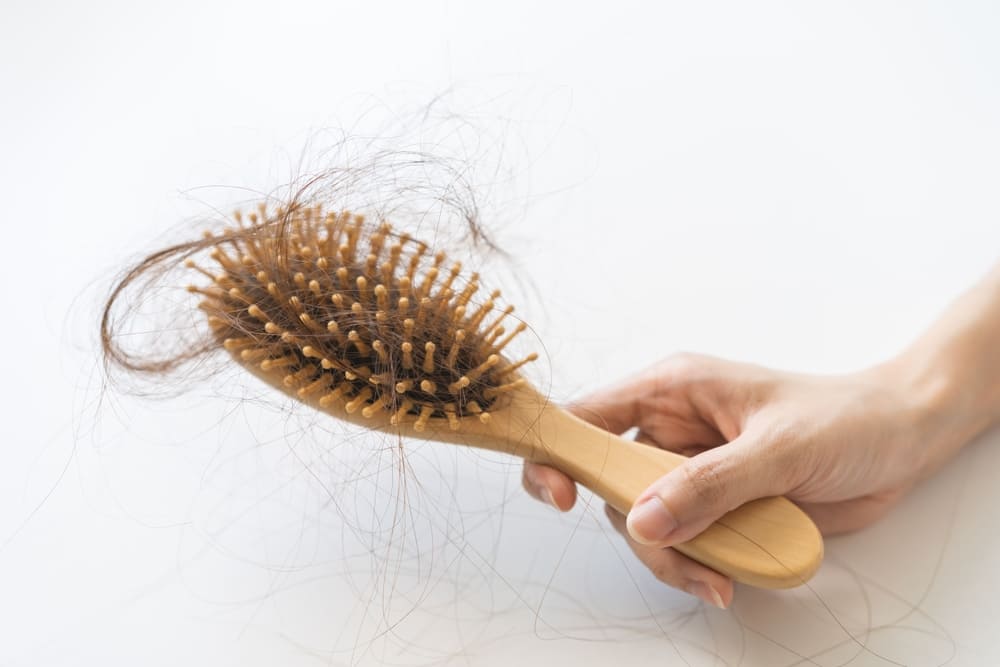
Minoxidil shedding is a short-lived phase of increased hair shedding that occurs as minoxidil resets your hair growth cycle. Older, weaker strands sitting in the resting stage get nudged out early to clear the path for fresh, new growth.
It is often called the dread shed, which captures how stressful it can feel in the moment. You might spot more hair on your pillow, in the shower, or on your hairbrush, particularly where you apply the product most heavily. While it can be shocking to see, it passes on its own—something that isn’t always clearly explained when you pick up your prescription.
The key thing to keep in mind is that these hairs were already destined to fall out soon. Minoxidil didn’t damage them; it simply sped up a natural process so thousands of follicles could reset together rather than over several drawn-out months.
Why Does Minoxidil Cause Shedding
Minoxidil causes shedding by shortening the resting stage of the hair cycle and nudging follicles into active growth sooner than they would naturally transition. To help picture how that works, here is a quick look at your hair’s natural cycle.
The hair growth cycle made simple
- Anagen is the active growth phase. Most hairs on your head are in this phase right now, and it lasts for years.
- Catagen is a brief transitional phase where the follicle shrinks and pauses active growth.
- Telogen is the resting phase. The strand stays sitting in place but is no longer growing.
- Exogen is the release phase when the old strand sheds, allowing the follicle to start fresh.
Each hair follicle follows its own independent timeline, which is why losing a small number of hairs every day normally goes completely unnoticed.
How minoxidil changes things
As a vasodilator, minoxidil widens tiny blood vessels around hair follicles, bringing them extra oxygen and nutrients. At the same time, it extends the growth phase and shortens the resting stage. A resting hair that might have sat around for another two months gets told to reset now—releasing the old hair as new growth prepares to emerge.
This causes many follicles to sync up. They shed within weeks of each other and begin regrowing together, which makes the initial shedding phase feel far more dramatic than your everyday hair fall.
Minoxidil Shedding Timeline: Month-by-Month Expectation
For most people, shedding starts between weeks two and eight, reaches its peak around weeks six to twelve, and settles down by month four. Everyone’s timeline varies slightly depending on whether you use topical or oral minoxidil, the strength, and your current hair loss stage.
| Stage | What is usually happening | What you will notice |
|---|---|---|
| Weeks 1 to 2 | The medication is starting to reach the follicles. Very little has changed in the hair cycle yet. | Usually nothing. Occasional scalp dryness or itch as your skin adjusts. |
| Weeks 2 to 6 | Resting follicles are being pushed out of telogen. Old hairs release. | Shedding begins. More hair on the pillow, brush and shower floor. |
| Weeks 6 to 12 | The largest group of synchronised follicles has now released and entered growth. | The shed usually peaks here. This is the point most people consider quitting. |
| Weeks 12 to 16 | New anagen hairs are growing but are still short, fine and pale. | Shedding slows noticeably. Fine baby hairs appear at the hairline and temples. |
| Months 4 to 6 | Hair fall is back to your normal daily rate. New hairs are thickening. | Density starts to look better in photos before it looks better in the mirror. |
| Months 6 to 12 | Regrowth continues to mature and darken. | This is where results are realistically judged, not at month two. |
Evaluating your hair at the peak of shedding is like judging a home renovation on day one of demolition—it looks messy before the beautiful progress begins.
How Much Shedding Is Normal
Losing around 50 to 100 hairs daily is completely normal for anyone. During minoxidil shedding, that count naturally goes up for a short period before returning to your normal baseline.
Trying to count individual hairs can feel overwhelming and fuel anxiety. Here are much easier, more reassuring ways to monitor your progress:
- Keep track consistently. Take a weekly photo of hair collected after washing under similar lighting. Overall trends matter much more than day-to-day fluctuations.
- Notice the direction. Heavy shedding at week six that begins slowing down by week ten shows everything is moving along as expected.
- Examine shed strands. Naturally shed resting hairs have a tiny white bulb at the root, confirming it was a complete strand shedding naturally rather than snapping.
- Focus on overall scalp coverage. Paying attention to long-term scalp density is far more helpful than worrying about strands in the drain.
Minoxidil Shedding vs. Ongoing Hair Loss: Spotting the Difference
Minoxidil shedding is temporary and directly connected to starting treatment. On the other hand, underlying hair loss is gradual and continues over time. Here is a handy side-by-side comparison to give you peace of mind.
| Signal | Minoxidil shedding | Ongoing hair loss or another cause |
|---|---|---|
| Timing | Starts within roughly 2 to 8 weeks of beginning or increasing the dose | No clear trigger point, or begins months after treatment started |
| Duration | Eases within 3 to 4 months | Continues or worsens beyond 6 months |
| Pattern | Often heaviest where you apply the product | Follows a recognisable pattern such as temples, crown or a widening part |
| Direction | Gets lighter over time without changing anything | Stays the same or gets heavier |
| What comes next | Fine new hairs appear in the shed areas | No regrowth, and thinning spreads |
| Other symptoms | Usually none beyond mild scalp dryness | Fatigue, sudden diffuse thinning, scalp pain, redness or scaling |
If extra hair fall began well before starting minoxidil, the medication isn’t the cause. Figuring out whether you are managing pattern loss, stress-related telogen effluvium, or another factor is an important first step.
Does Oral Minoxidil Cause Shedding
Minoxidil can trigger an initial shed for the exact same reason topical versions do. However, there are a few subtle differences in how it presents.
- Distribution. Since oral minoxidil works through the bloodstream, shedding tends to be spread evenly across your whole scalp rather than concentrated in targeted application areas.
- Timing. Because of its systemic effect, some people notice shedding starting slightly sooner and feeling more generalized.
- Body hair growth. Oral minoxidil can encourage hair growth elsewhere on the body, which is worth discussing with your doctor.
- Medical guidance. Oral minoxidil requires prescription oversight and medical evaluation, so dosage adjustments should always be managed with a health professional.
Switching between topical and oral forms can temporarily trigger a mild new shed as follicles sync up again—good to keep in mind before changing up your routine.
If you are weighing your options, our comparison of minoxidil vs. finasteride breaks down how each approach supports hair restoration.
Minoxidil Shedding in Women
- Women experience the same shedding process, but it can feel more noticeable because female pattern hair loss typically causes diffuse thinning across the scalp rather than localized receding patches.
- Longer hair length can make normal shed volume look much larger in the shower drain.
- Overall thinning means temporary sheds can make the parting line look wider for a short period.
- Hormonal shifts like postpartum changes or thyroid fluctuations can coincide with treatment, creating overlapping shedding.
- Underlying health factors like iron levels play a key role, making medical evaluation particularly valuable.
If your treatment started alongside major hormonal changes, professional advice can help bring clarity to your hair journey.
Post-Transplant Shedding Is Different
“Shock loss” following a hair transplant isn’t minoxidil shedding, though they can seem similar. It is a temporary response from transplanted or nearby hair due to surgical trauma and follows its own recovery timeline.
- Transplanted strands typically shed a few weeks after surgery while the root remains secure, with new growth appearing around months three to four.
- Surrounding hairs may temporarily shed in response to the procedure before recovering smoothly.
- Post-surgery minoxidil is often used as part of aftercare, so following your surgeon’s tailored guidance will keep you on the right path.
Rest assured that shedding hair strands shortly after a transplant like DHI is completely normal—the implanted roots stay safely anchored in place.
Should You Stop Minoxidil When Shedding Starts?
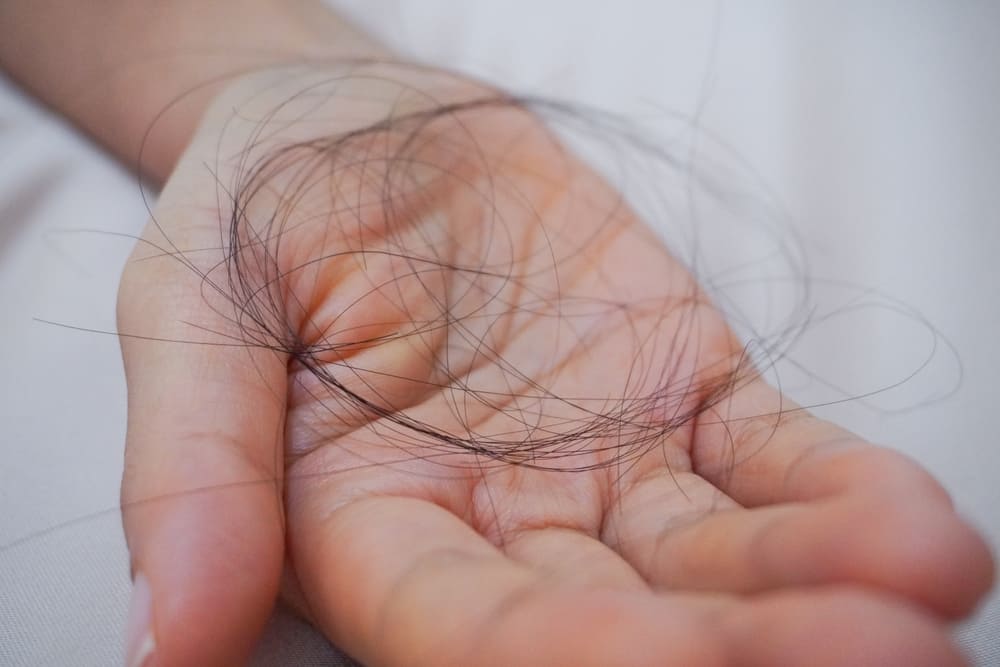
In almost all cases, no! Stopping during the shed means missing out on the healthy growth phase right around the corner. Consider these helpful questions before making any changes:
- How long have you been treating? Within the first three months, shedding is entirely expected as your hair resets.
- Is shedding easing up? If hair fall is slowing down week by week, you are right on track.
- Are you applying consistently? Inconsistent use can prolong shedding because follicles repeatedly start and stop their growth cycles.
- Are other factors at play? Recent illness, dietary shifts, high stress, or hormonal changes can also temporarily affect hair fall.
Remember that minoxidil works continuously to maintain your results. Pushing through the initial shed opens the door to long-term benefits!
Simple Tips for Navigating the Shedding Phase
While shedding is part of the process, here are supportive habits to help you stay comfortable and confident along the way:
- Maintain a steady routine. Apply your treatment consistently every day as recommended to support smooth progress.
- Take baseline progress photos. Snap clear photos in good lighting before you start—they offer great reassurance down the road!
- Allow full absorption. Let topical treatments dry completely before lying down or styling your hair.
- Treat your hair gently. Use soft brushing, avoid tight hairstyles, and limit heavy heat styling to prevent extra stress on delicate strands.
- Keep things simple. Avoid introducing multiple new treatments all at once so you can clearly see how your hair responds.
- Schedule a month-four review. Giving your scalp time to work through the transition phase allows for an accurate progress check with a specialist.
When to Consult a Hair Specialist
It is always a good idea to seek medical advice if your hair journey feels outside the expected timeline, such as:
- Heavy hair fall continues beyond four months or increases after month six.
- Shedding starts suddenly many months after beginning treatment without any change in dosage.
- You experience scalp discomfort like irritation, redness, burning, or sudden patchy spots.
- Hair comes out in distinct clumps rather than natural single strands.
- You notice other physical symptoms like unusual fatigue, weight shifts, or changes in overall well-being.
- You would like personal guidance on confirming your specific type of hair loss to ensure minoxidil is your best match.
Minoxidil shedding is a natural, temporary step as your follicles reset for renewed growth. While it takes patience during the first few weeks, it is simply your hair clearing the way for stronger strands ahead.
Taking the time to ensure minoxidil matches your specific hair needs sets you up for the best possible results and peace of mind.
Book a consultation with Grow & Glow Clinic in Bangkok for personalized care from an experienced team at our hair loss clinic bangkok.
Frequently Asked Questions


