


PRP for Thinning Hair: What Women Should Know
Key Takeaways:
- PRP uses a concentrated portion of your own blood platelets, injected into thinning areas to support follicles that are weakening but still growing hair.
- Most patients start with an initial series of three to four PRP sessions spaced about a month apart, with visible changes often appearing between months three and six.
- PRP works best for early to moderate thinning where follicles are still active, and maintenance sessions are usually needed to hold the result.
- PRP is not a cure for hair loss and does not regrow hair in areas where follicles are already gone.
- If PRP alone is not enough, a female hair transplant may be considered to move healthy donor follicles into areas with permanent loss, and the two can be combined within one care plan.
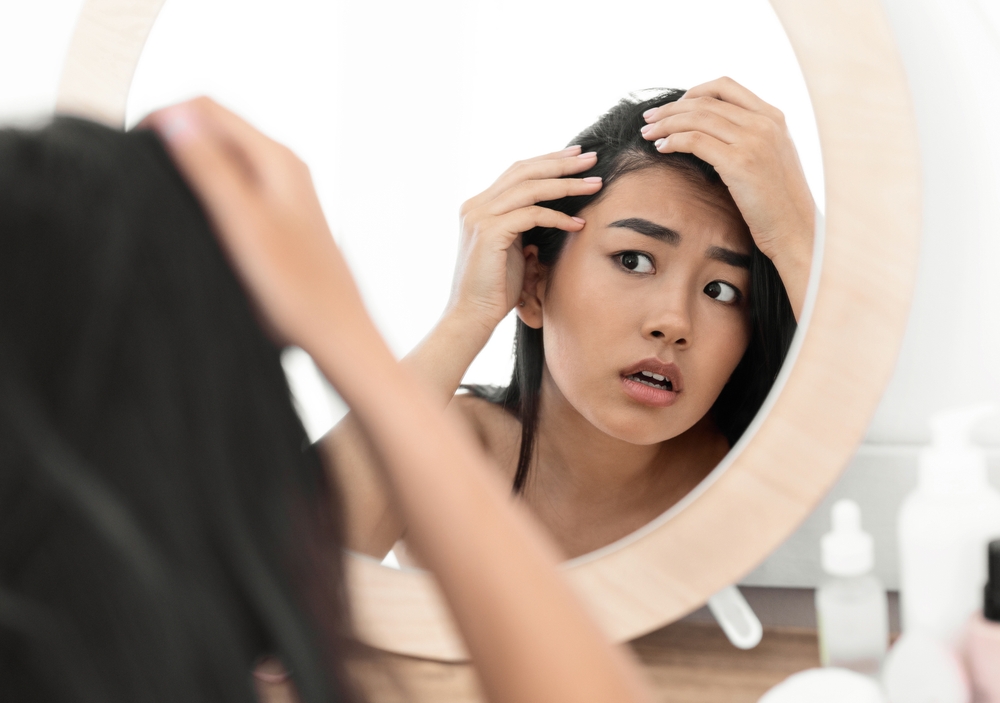
For many women, when a ponytail begins to look thinner, the part line seems wider, or the hairline appears to have quietly moved backward, it often becomes the moment they move from “I’ll keep watching” to genuinely researching. Almost every time that search is performed, it points to two names: PRP and hair transplants. Many comparison pieces treat them as the same or are written primarily for men, but in reality, they address different stages of hair loss.
Why PRP and a Hair Transplant Solve Different Problems
If you are wondering whether PRP or a hair transplant is better for female hair loss, the honest answer is that neither is universally better. The two work on different stages of hair loss, which is why the right choice depends on what is actually happening on your scalp rather than on personal preference.
The core distinction is simple:
- PRP hair restoration is a tool for keeping and strengthening the hair that is still there by supporting follicles that are weakening but have not stopped producing hair.
- A female hair transplant replaces hair in areas where the follicles are already gone by redistributing healthy donor follicles into a designed recipient area.
How PRP for Thinning Hair Works and Who It Suits
A standard PRP session runs for about 45 to 60 minutes from start to finish, with most of that time spent on preparing the sample rather than the injections themselves. A small blood sample is drawn from the arm, spun in a centrifuge to separate and concentrate the platelets, and then injected into the thinning areas of the scalp with fine needles, usually in a grid pattern. Most patients are able to return to normal activities immediately, with just mild tenderness or minor swelling at the injection sites lasting a day or two, and no recovery period as would be necessary after surgery.
When it comes to PRP and hair loss, timing is everything. The treatment works best in its earlier stages, before thinning becomes severe. Realistic candidates include:
- Visible thinning across the scalp or around the part line.
- Hair that feels finer or weaker than it used to but is still growing.
- Early signs of hereditary thinning picked up before the loss became severe.
Shiny bald patches, long-standing loss, and scarring forms of hair loss sit outside what PRP is designed to do, and usually need a different treatment direction entirely.
How Many PRP Sessions Does It Take to See Results?
In most cases, more than one session is needed before any visible change shows up. Typically, patients start with three to four sessions spaced about a month apart, followed by maintenance sessions tailored to how the hair reacts. PRP is not a single-step treatment, as changes happen slowly since hair grows in cycles instead of showing instantly after an injection.
A rough timeline looks like this:
- First few weeks: Little to no visible change on the scalp.
- Months one to two: Early signs like reduced shedding, with less hair on the pillow and in the shower.
- Months three to six: Density changes often start to show up in good lighting and photos.
- Beyond six months: Continued improvement, especially when maintenance sessions are kept up.
Consistent monthly photos in the same lighting, angle, and hairstyle make it much easier to see slow progress over time.
When a Female Hair Transplant Makes More Sense
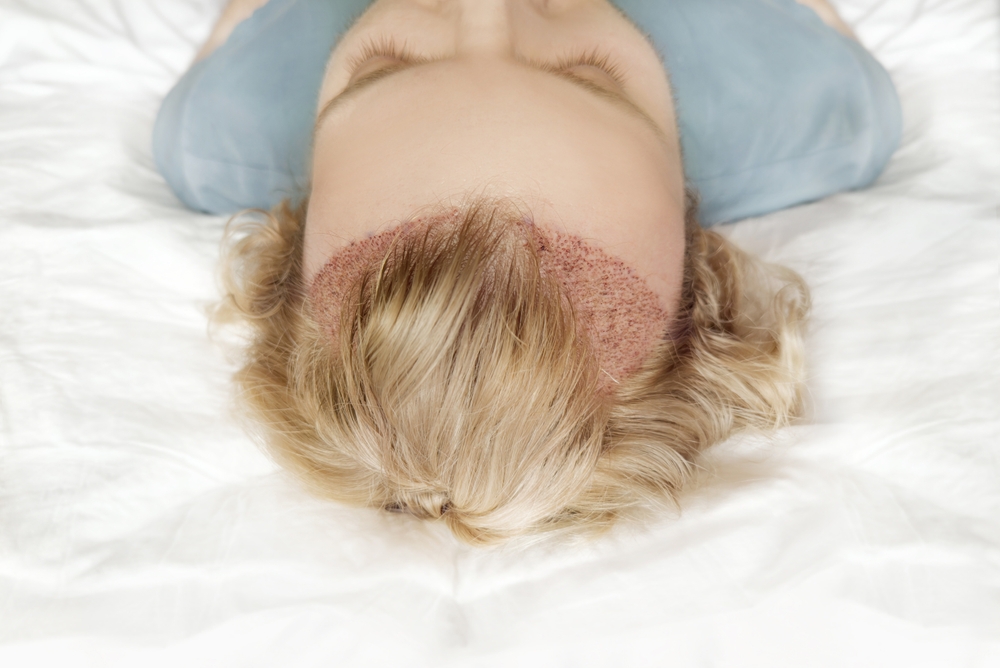
A hair transplant becomes the better path when the pattern of loss is more fixed, such as a high or uneven hairline, localized thinning that has stabilized, temple recession, or scar coverage. In these instances, relocating healthy donor follicles to the thinning area often produces more effective results than trying to improve the existing ones.
Two main techniques are used for women:
- FUE (Follicular Unit Excision): Individual follicles are removed one by one with a small punch, leaving tiny dot-like scars in the donor area.
- FUT (Follicular Unit Transplantation): A thin strip of donor scalp is removed and the area is closed with sutures, which can leave a fine linear scar that is usually hidden under surrounding hair.
Neither technique is universally better than the other. The right choice depends on hair length, lifestyle, how much hair needs to be moved, and the condition of the donor area.
Donor-area planning tends to be more tailored for women than men because hair thinning in women is often dispersed over the scalp rather than concentrated in one obvious pattern. A hairline refinement typically uses roughly 1,000 to 2,500 grafts, depending on forehead width and the density goal. Larger cases, such as a hairline combined with thinning crown coverage, may call for a bigger session once the donor supply has been assessed.
H2: Can PRP and a Hair Transplant Be Used Together?
Women can do PRP and a hair transplant at the same time, or more accurately, as part of the same overall plan. The two are not automatically paired for every patient, but PRP can be used to support the existing native hair around a transplanted area rather than replace the need for grafts.
Timing and sequencing are set by the treating doctor based on scalp condition, healing, and goals. In some plans, PRP is given a few weeks before the transplant to prime the scalp. For others, it is arranged after the transplant to help support both the transplanted grafts and the adjacent native hair during the first growth cycle. Once the transplanted hair has settled, maintenance PRP sessions may continue.
H2: Building a Hair Restoration Strategy That Lasts
Choosing between PRP, a female hair transplant, or a combined plan is not something to work out from a search bar. Each option carries its own session count, timeline, recovery, and realistic range of outcomes, and the match between those factors and your situation is what sets a good plan apart from a generic one.
If you are considering PRP or a hair transplant for women in Bangkok, a complimentary in-person consultation at Grow & Glow Clinic is the clearest place to start. Led by Dr. Benz, an ISHRS Graduate Fellow and ABHRS Diplomate, each consultation looks at what is actually happening with your hair and shapes the right plan from there.
References:
- Hair Loss: Diagnosis and Treatment. Retrieved 5 October 2026, from https://www.aad.org/public/diseases/hair-loss/treatment/diagnosis-treat
- Platelet-Rich Plasma (PRP Injection). Retrieved 5 October 2026, from https://my.clevelandclinic.org/health/treatments/platelet-rich-plasma-prp-injection
- Patient Satisfaction and Clinical Effects of Platelet-Rich Plasma on Pattern Hair Loss in Male and Female Patients. Retrieved 5 October 2026, from https://pmc.ncbi.nlm.nih.gov/articles/PMC9534340/
Frequently Asked Questions About PRP Hair Restoration


