


Can You Work After a Hair Transplant? What to Expect
Key Takeaways
- Remote workers can often return the next day, while most office-based patients go back within 5 to 7 days, and those in physical jobs may need up to two weeks off
- The first week is the most critical, as your grafts are still fragile and settling into the scalp
- Returning too soon can lead to graft dislodgement, infection, sunburn, wound complications, and slower overall healing
- Tight hats must be avoided for at least 10 days, with only loose-fitting hats recommended afterward for sun protection
- Planning your time off around long weekends or working from home during the first week helps protect both your recovery and your appearance

After managing surgery arrangements, flight bookings, and clinic selection, a common, unspoken patient concern is the timeline for resuming normal life. This often translates to returning to the workplace, construction site, or packed schedule of video conferences.
In reality, the timeline for returning to work post-hair transplant varies greatly for individuals. It can be boiled down to two factors: your surgeon’s technique and your daily work. A remote worker could resume typing in less than a day, whereas a physically demanding job might require a fortnight off. Here’s a detailed look at what’s coming and how to safeguard your achievements as you gradually return.
What Happens to Your Scalp Right After a Hair Transplant?
Before asking if you can work after a hair transplant, it helps to know what is actually happening on your scalp. The first few days are when your scalp is most sensitive, and your grafts are at their most fragile. Knowing what to expect helps you prepare mentally and schedule your time off wisely.
Here is what is typical in the early recovery window:
- Mild redness, swelling, and scabbing around the transplanted area for the first few days
- Small scabs form around each follicle and fall off naturally within 10 to 14 days
- The first week is the most critical, as your grafts are still settling into the scalp
While the surface heals fast, the underlying recovery is a slow process. Later on, your patience during this phase will be beneficial.
Can I Go to Work After Hair Transplant Surgery?
A common concern is whether I can go to work after hair transplant surgery without risking the results. For most patients, yes, but how soon depends largely on the technique used and the kind of work you do.
- Remote or work-from-home jobs: Many patients can return the next day if they feel comfortable
- Office and desk-based roles: Most FUE and DHI patients return within 5 to 7 days
- FUT recovery takes longer due to stitches, so at least one week off is advised for office roles and up to two weeks for physical jobs
- Individual recovery varies, so always follow your surgeon’s specific aftercare instructions
If your job is physically demanding or involves heavy sweating, give yourself extra buffer days. It is better to take a little more time than to risk your results.
What Are the Risks of Going Back to Work Too Soon?
Returning to work before your scalp is ready can cause real setbacks. Here are the main risks to keep in mind:
- Graft dislodgement: Grafts are still fragile in the first few days and can be knocked out of place
- Infection: Sweat, dust, and dirty environments can introduce bacteria to the healing scalp
- Sunburn: Direct sun exposure can damage newly implanted grafts before the scalp has fully healed
- Wound complications: FUT patients risk the donor area reopening or scarring if they return to physical work too early
- Slower recovery: Going back too soon adds stress to the body, which delays overall healing
Understanding these risks makes it easier to commit to resting during the critical first week.
Will Anyone Notice You Had a Hair Transplant at Work?
This is a valid concern, especially for patients in client-facing or public-facing roles. Here is what helps:
- Redness and scabbing in the first week may make some patients feel self-conscious
- Waiting until day 10 before returning to a client-facing role is the safest option for those who want to avoid attention
- Scheduling your procedure right before a long weekend or public holiday helps stretch recovery time without using extra leave
- Working from home during the first week is a practical option if appearance is a concern
Most people find that by the second week, the signs are much less noticeable.
Can I Wear a Hat to Work After a Hair Transplant?
Hats feel like an easy way to hide signs of surgery, but they come with restrictions.
- Tight-fitting hats must be avoided for at least 10 days, as they can rub against grafts and dislodge them
- After 10 days, a loose-fitting hat can be worn carefully, especially for sun protection outdoors
- Always check with your surgeon before wearing any headwear in the early recovery period
If you must be outdoors, choose a soft, loose hat that sits gently on the scalp rather than a structured or snug one.
What Should You Avoid When You Return to Work?
Even after you are back at your desk, a few habits can slow down healing if you are not careful.
- Skip gym sessions or tasks that cause heavy sweating for at least two weeks
- Keep your scalp out of direct sunlight, especially during lunch breaks or outdoor commutes
- Avoid smoking and alcohol, as both slow the recovery process
- Resist touching or scratching your scalp, even if it feels itchy
Small daily choices during this window can make a noticeable difference in your final results.
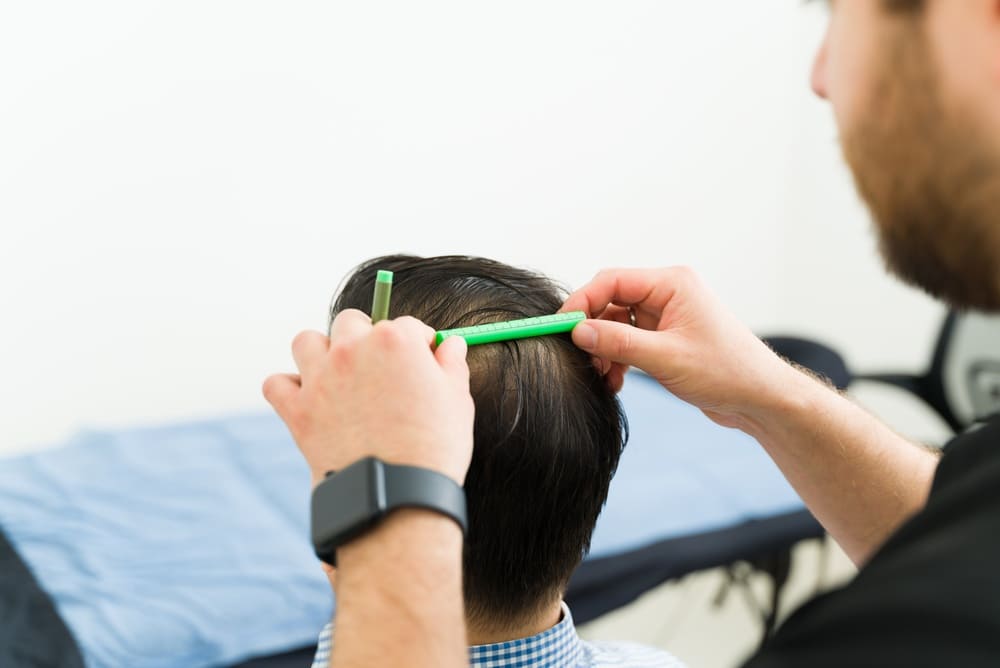
When Is It Time to See a Hair Specialist?
If you are still weighing your options, early professional guidance is the smartest move.
- Genetic hair loss is progressive and tends to worsen over time without treatment
- Topical products and home remedies can support scalp health, but cannot restore hair that is already lost
- Signs it is time to seek expert advice: persistent shedding, a receding hairline, thinning patches, or no improvement with home care
- An early assessment opens up more treatment options and leads to better long-term outcomes
The earlier you act, the more you can protect.
Get Back to Work with Confidence
Getting the right support makes the entire experience smoother, from your first consultation to your return to the office.
Grow & Glow Hair Clinic is a trusted hair transplant clinic in Thailandoffering advanced hair restoration for both men and women. Every patient receives a tailored consultation and treatment plan based on their hair condition and lifestyle. The clinic welcomes local and international patients at its Bangkok location, which is conveniently accessible via the BTS Skytrain.
Confidence starts with a clear plan. Book a hair assessment with us today and find out what is possible for your unique case.
References:
- Hair Transplantation and Restoration. Retrieved on 22 April, 2026 from https://www.plasticsurgery.org/cosmetic-procedures/hair-transplantation-and-restoration/recovery
Frequently Asked Questions About Working After a Hair Transplant


