


Stress and Hair Loss: Why It Happens and What Helps
Key Takeaways
- Stress can push a large number of hair follicles into a resting phase, causing noticeable shedding a couple of months after a stressful event.
- This type of hair loss is called telogen effluvium and shows up as overall thinning across the scalp rather than a receding hairline or bald spot.
- Men and women both experience it, but hormonal events such as pregnancy and menopause make it more common in women.
- Most cases ease on their own within a few months once the source of stress passes, and the vast majority of people recover fully without medical treatment.
- Shedding that continues for longer than around six months may be chronic and is worth getting checked by a specialist.
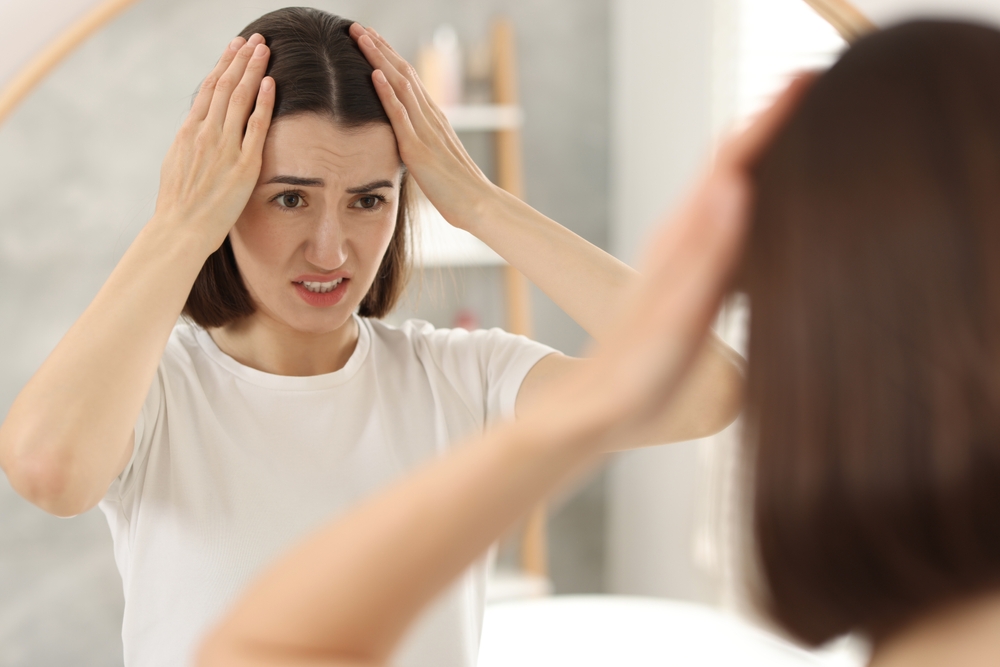
Stress and hair loss are more connected than most people realize. Your hair can be subtly impacted by work stress, sickness, or significant life events, with changes only becoming apparent after a considerable time. Understanding how stress causes hair loss can help you tell the difference between a temporary problem and something that needs medical attention. Telogen effluvium, a common cause of temporary hair loss, is frequently associated with stress. Fortunately, it typically resolves by itself once the root cause of stress is reduced.
Why Does Stress Cause Hair Loss?
When your body goes through serious physical or emotional strain, it shifts energy away from non-essential functions like hair growth and focuses on keeping you going. This forces a large number of hair follicles to stop growing and enter a resting phase, called telogen, all at once.
On a biological level, stress causes hair loss by raising cortisol levels. Cortisol can interfere with the stem cells that keep the hair growth cycle moving, holding follicles in their resting phase for longer than usual. This is why prolonged stress can have such a noticeable effect on hair density.
The hair does not fall out straight away. Most people start noticing the shedding a couple of months after the stressful event, which is why the connection is often missed. By the time the shedding shows up, the original trigger may already feel like the past.
What Does Stress-Related Hair Loss Look Like?
Unlike pattern baldness, which follows a clear pattern such as a receding hairline or a thinning crown, this type of shedding appears as overall thinning across the entire scalp. You may notice:
- More hair than usual in your brush.
- Extra strands on your pillow each morning.
- Hair clumps in the shower drain after washing.
- A ponytail that feels noticeably thinner than before.
The scalp itself usually looks healthy, with no redness, flaking, or round bald patches. If you see any of those, it may indicate a different condition that needs a specialist to evaluate. The hair coming out also tends to look normal, with a small white bulb at the end, a natural sign that it has completed its resting phase.
Is Stress Hair Loss Different for Men and Women?
The shedding mechanism is the same, but the experience often differs between the two.
Stress and hair loss in males often overlap with male pattern baldness. If a man is already genetically prone to androgenetic alopecia, stress can speed up or unmask the pattern, leading to more visible thinning at the temples or crown.
Stress and hair loss in females are more often tied to hormonal shifts like pregnancy, childbirth, or menopause, stacked on top of emotional or physical stress. Women also tend to experience telogen effluvium more often across their lifetime because of these hormonal events. The shedding pattern itself looks similar in both sexes, with diffuse thinning across the scalp.
How Much Hair Loss From Stress Is Normal?
Losing some hair every day is part of the natural growth cycle, and you usually do not even notice it. The strands that come out are simply at the end of their resting phase, making room for new ones to grow in.
During telogen effluvium, daily shedding can increase noticeably for several months, which is when most people start to worry. Even so, most people do not lose anywhere close to all of their hair, and the underlying follicles stay healthy. Heavy shedding can feel alarming, but it does not usually lead to bald patches or a visible scalp on its own.
How Long Does Stress-Related Hair Loss Last?
In most cases, the shedding slows down on its own within a few months once the source of stress has passed. The vast majority of people with this type of hair loss recover fully without needing any medical treatment. New hair starts to come through soon after the shedding eases, though it can take several more months for your overall density to look the way it used to, simply because hair grows slowly.
If shedding continues for more than about 6 months, it is considered chronic and worth getting checked. At that point, a specialist can help determine whether something else is driving it, such as low iron, a thyroid imbalance, or an ongoing source of stress that needs to be addressed.
What Can You Do to Help Your Hair Recover?
Since the trigger is the issue, the most helpful things you can do are gentle, everyday changes rather than aggressive treatments. There is no medication that stops telogen effluvium directly, but supporting your body and scalp makes the recovery smoother:
- Manage stress through regular exercise, consistent sleep, and relaxation practices, since ongoing stress can keep the shedding cycle going.
- Eat enough protein and include iron, zinc, and B vitamins, all of which support healthy hair growth.
- Skip crash diets and rapid weight-loss plans, which can themselves trigger shedding.
- Avoid tight hairstyles, harsh chemical treatments, and excessive heat styling while your hair recovers.
- Be patient. Hair grows slowly, so visible density takes time to return even after shedding stops.
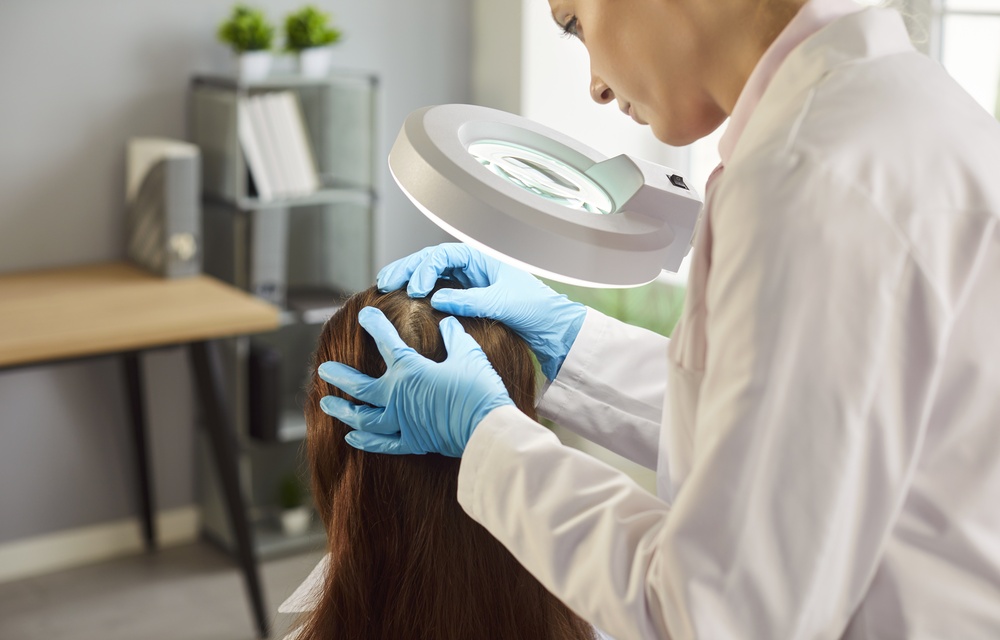
Get the Right Answers for Your Hair
If your hair loss has not improved after several months, or you are unsure whether stress is the actual cause, a specialist consultation gives you a clear answer. Grow & Glow Hair Clinic is a trusted hair loss treatment clinic in Bangkok, offering non-surgical options such as PRP, Meso Hair Grow, and Low-Level Laser Therapy (LLLT) to strengthen hair and stimulate new growth.
Every patient receives a personalized plan based on the type of hair loss, overall health, and recovery goals. If you are not sure what is behind your shedding, book a consultation with Grow & Glow Hair Clinic to get expert advice on the best path forward.
References:
- How stress causes hair loss.Retrieved on 13 May, 2026 from https://www.nih.gov/news-events/nih-research-matters/how-stress-causes-hair-loss
- Telogen Effluvium. Retrieved on 13 May, 2026 from https://my.clevelandclinic.org/health/diseases/24486-telogen-effluvium
- Telogen Effluvium. Retrieved on 13 May 2026, from https://www.ncbi.nlm.nih.gov/books/NBK430848/
- Telogen effluvium (temporary hair loss). Retrieved on 13 May 2026, from https://www.medicalnewstoday.com/articles/321590
Frequently Asked Questions About Stress and Hair Loss


