


Understanding Telogen Effluvium and the Path to Recovery
Key Takeaways
Telogen effluvium is a temporary, reactive form of diffuse hair shedding triggered by stress or a change to the body rather than a follicle disease. It appears as overall thinning instead of bald patches, with the scalp itself usually looking healthy. Common triggers include illness, surgery, childbirth, severe stress, nutritional deficiencies, hormonal shifts, and certain medications. Hair typically begins regrowing within 3 to 6 months once the trigger is identified and addressed. However, cases that persist beyond six months or worsen over time need a specialist assessment to rule out other forms of hair loss.
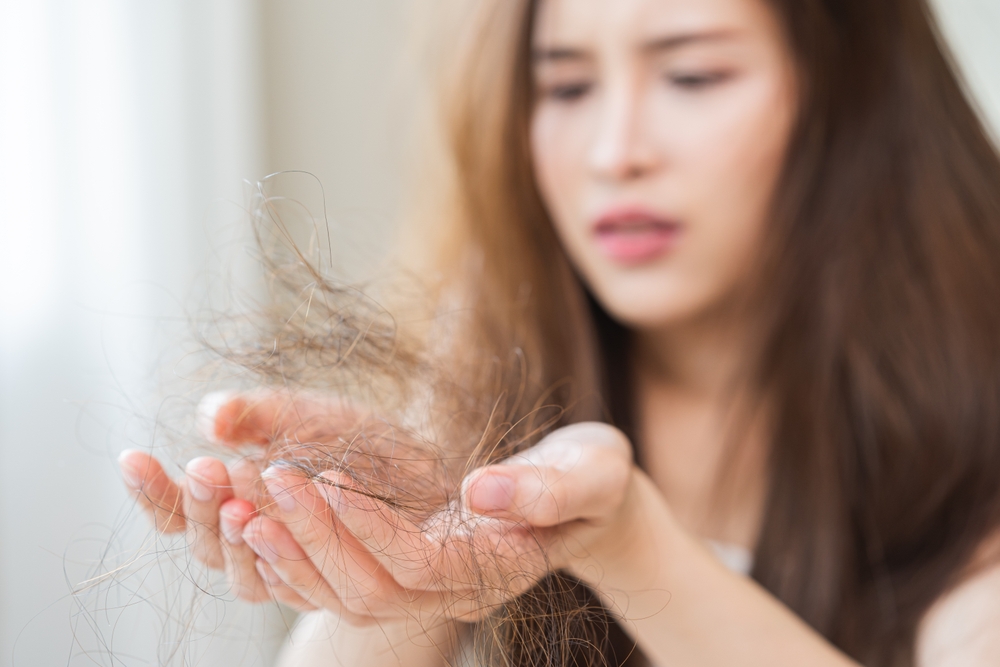
One of the more disturbing aspects of hair loss is its sudden onset. While washing your hair, you find a clump in the drain, and strands loosen as you run your hands through it. The positive aspect is that this extensive shedding typically has an identifiable cause and is often short-lived.
Telogen effluvium is the most common form of this reactive shedding, and most people who experience it see their hair regrow once the underlying trigger is dealt with. Here is what to look out for, what causes it, and how to support recovery.
What Is Telogen Effluvium?
Telogen effluvium is a reactive form of diffuse hair shedding. It happens when a large number of hairs prematurely shift from the growth phase (anagen) into the resting phase (telogen), then fall out roughly two to three months later. Under normal conditions, about 5 to 15 percent of your hair is in the resting phase at any given time. With telogen effluvium, that number can rise to around 30 percent, which is why the shedding feels so dramatic.
You will usually notice it as overall thinning rather than bald patches. There is more hair on your pillow, more on the brush, and more in the shower drain. Yet, the scalp itself tends to look healthy with no rash, redness, or visible irritation. Some people also notice their ponytail feeling thinner or their part line looking wider than usual.
The condition splits into two categories. Acute cases last under six months and almost always resolve on their own once the trigger is gone. Chronic cases persist beyond six months and benefit from a closer specialist investigation, especially if pattern hair loss is also present.
Common Causes and Triggers of Telogen Effluvium
A telogen effluvium cause is best understood as the body’s reaction to a shock or a change rather than a disease of the follicle itself. The triggers fall into a few categories:
- Physical stress on the body: high fever, severe illness (including viral infections like COVID-19), major surgery, childbirth, and significant blood loss can all push large numbers of hairs into the resting phase.
- Hormonal and nutritional shifts: thyroid disorders, postpartum hormone changes, crash dieting, and deficiencies in iron, vitamin D, B12, or protein are some of the most common drivers.
- Psychological stress and medications: severe emotional stress can trigger an episode, as can certain drugs, including retinoids, beta-blockers, antidepressants, and excess vitamin A.
The shedding usually shows up about two to four months after the trigger, which is part of why the cause can be hard to pinpoint. Many people have fully recovered from the original illness or stressor by the time their hair starts falling out, so the connection is not obvious.
How Telogen Effluvium Is Diagnosed
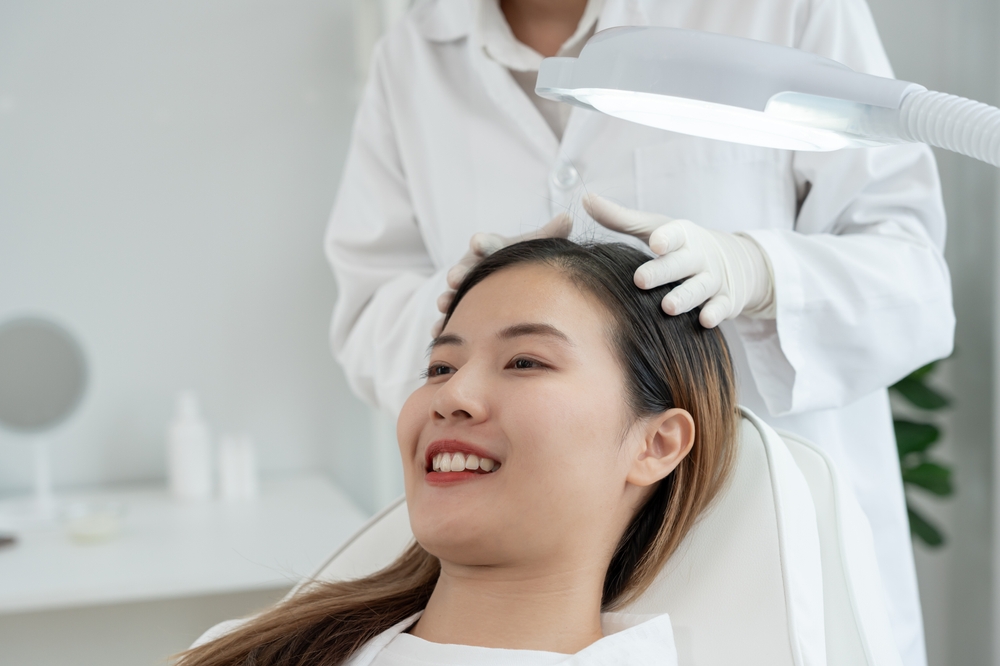
Diagnosis is mostly clinical. A specialist will ask about your recent health, any major life events, your medications, and your diet over the past six months. A hair pull test may be performed to check whether more than the usual number of resting hairs come away with gentle traction.
Blood tests are commonly used to rule out underlying causes. These typically assess thyroid function, iron and ferritin levels, vitamin D, and vitamin B12. Identifying a treatable deficiency or condition often clears up both the diagnosis and the path forward.
One important part of the assessment is differentiating telogen effluvium from other forms of hair loss. Androgenetic alopecia, for example, produces patterned recession with miniaturized hairs rather than diffuse shedding, and scarring alopecias damage the follicles themselves. The two can also coexist, which is why getting an accurate diagnosis matters before starting any telogen effluvium treatment.
Treatment and Recovery Timeline
The core of telogen effluvium treatment is finding and correcting the trigger. Once that is resolved, shedding stabilizes and hair typically begins to regrow within 3 to 6 months. Around 95 percent of acute cases recover fully without any specific medical intervention beyond addressing the original cause.
Supportive steps help the recovery along, such as maintaining a nutrient-rich diet that covers iron, protein, vitamin D, and B12 supports new growth. Gentle hair care, stress management, and correcting any identified deficiencies all help as well. For severe or chronic cases, treatments such as topical minoxidil or PRP therapy may be considered to promote faster regrowth.
Patience is also part of the process. Even after the underlying issue is fixed, it can take several months for new hair to become visible at a noticeable length. Tracking changes monthly, rather than daily, is a more useful gauge. Photos taken at the same angle and under the same lighting every four to six weeks give you a far more accurate sense of progress than a count of strands in the shower.
Get Clear Answers on Your Shedding at Grow & Glow
If your shedding is persistent, severe, or paired with signs that look more like patterned thinning, getting a proper diagnosis is the right next step. While most cases of telogen effluvium resolve on their own once the cause and trigger are addressed, only a specialist can confirm whether what you are seeing is a temporary shedding episode, an underlying pattern of hair loss, or both at once.
Cue Grow & Glow Hair Clinic, where we offer expert scalp analysis to accurately identify telogen effluvium and rule out coexisting conditions like androgenetic alopecia. Our personalized treatment plans include medical therapy and lifestyle guidance, and for cases of progressive or permanent hair loss, surgical options are available at our clinic. Every consultation is led by Dr. Benz, an ISHRS Graduate Fellow and ABHRS Diplomate with over 17 years of experience, ensuring you get qualified care.
If you are experiencing excessive shedding or thinning, get an accurate diagnosis and personalized treatment plan at Grow & Glow, a trusted DHI hair transplant clinic in Bangkok. Contact us at 084-501-9989 or visit growandglowhairclinic.com.
References:
- Telogen Effluvium. Retrieved on 13 May 2026 from https://www.ncbi.nlm.nih.gov/books/NBK430848/
- Telogen Effluvium: Symptoms, Causes, Treatment & Regrowth. Retrieved on 13 May 2026 from https://my.clevelandclinic.org/health/diseases/24486-telogen-effluvium
- Telogen Effluvium: A Guide to Temporary Hair Loss. Retrieved on 13 May 2026 from https://ishrs.org/telogen-effluvium/
- Telogen Effluvium: A Review of the Literature. Retrieved on 13 May 2026 from https://pmc.ncbi.nlm.nih.gov/articles/PMC7320655/
Frequently Asked Questions About Telogen Effluvium


