


Vitamin E for Hair: Benefits, Uses, and Limitations
Key Takeaways
- Vitamin E is a natural antioxidant that protects your scalp and hair from everyday damage like pollution, sunlight, and heat styling.
- It can support healthier hair by improving scalp circulation, reducing dryness, and boosting moisture and shine, but results are gradual.
- It is not a cure for genetic hair loss or pattern baldness, which needs clinical treatment to see real change.
- You can get vitamin E through food, supplements, or hair products, but less is more when applying it topically.
- Always patch-test before applying vitamin E oil to the scalp, and stick to recommended supplement doses.
- If you notice persistent shedding, a receding hairline, or bald patches, it is time to consult a specialist rather than relying on topical treatments.
Walk into any drugstore or scroll through a skincare feed, and you will see vitamin E for hair everywhere. Shampoos contain it, it’s sold as an oil, and it’s in supplements that promise hair that’s thicker and shinier. Given the widespread excitement, it’s reasonable to question the vitamin’s actual impact on hair and if it truly warrants the attention.
A balanced perspective offers the real answer. While vitamin E promotes scalp and hair health, it’s not a miraculous solution. Understanding its capabilities and limitations leads to better decisions, and for those experiencing significant hair loss, it signals when to explore options beyond topical treatments and medication.
What Is Vitamin E?
Vitamin E is a nutrient that works as a natural antioxidant. In simple terms, it helps protect your cells from everyday wear and tear caused by things like pollution, sunlight, and heat styling. For your hair and scalp, that kind of protection goes a long way.
You can get it in a few different ways:
- From food, like almonds, sunflower seeds, avocados, and leafy greens
- From supplements, usually in multivitamins or standalone capsules
- From hair products, such as shampoos, conditioners, serums, and oils
It comes in a few forms, but the two most studied for hair are tocotrienols and alpha-tocopherol. These are the names you will usually spot on product labels.
Is Vitamin E Actually Good for Hair Growth?
This is where expectations need a reality check. The short answer to whether vitamin E is good for hair is yes, in some ways, but it depends on what you are hoping to fix.
This can aid in better blood circulation to your scalp, fostering an improved environment for hair growth. Individuals experiencing thinning due to insufficient nutrition or daily scalp strain might observe a slight increase in hair thickness with consistent application.
However, this does not address genetic hair loss. Hair loss due to pattern baldness cannot be reversed by oils or supplements. These products will help maintain your existing hair, but they won’t bring back lost hair. .These products will help maintain your existing hair, but they won’t bring back lost hair.
Vitamin E Benefits for Hair and Scalp
While the impact of vitamin E for hair growth is modest, the real difference shows up in how your scalp feels and how your hair looks day to day. With regular use, you can expect:
- Less dryness and flaking, which means less itchiness and irritation
- Stronger strands that are less likely to snap when brushing or styling
- Better moisture balance, so hair stays hydrated without feeling greasy
- Softer texture and natural shine as the outer layer of each strand gets smoother
These changes usually show up slowly, with small improvements after a few weeks of steady use. A healthy scalp is the foundation of healthy hair, and that is where vitamin E earns its keep.
How to Use Vitamin E Oil for Hair
Using it the right way matters more than using a lot of it. Here are the easiest ways to add it into your routine:
- As a scalp massage: Warm a small amount between your palms, apply to the scalp, and massage gently. Leave it on for 20 to 30 minutes before washing out.
- Through enriched products: Pick shampoos, conditioners, or leave-in serums that already contain it. This is the easiest option for daily use.
- As a supplement: Stick to the dose on the label. Taking too much can cause side effects like nausea or headaches.
- From your meals: A balanced diet with nuts, seeds, avocado, and leafy greens often gives you enough through food alone.
One simple step before any topical use: do a patch test on the inside of your wrist and wait 24 hours to make sure your skin does not react. Only then apply it to a bigger area like your scalp. Less is also more when it comes to oils, since heavy application can clog pores and weigh the hair down.
Why Some Hair Loss Cases Need Clinical Attention
No amount of oil or vitamins can reverse pattern baldness. This is a hard truth that many people only accept after months of trying home remedies with little to show for it.
Genetically determined, pattern baldness escalates if unaddressed. Each month without adequate treatment results in a greater number of follicles becoming dormant. Acting sooner rather than later expands your possibilities and improves your potential outcomes.
It is time to see a specialist if you notice the following:
- Shedding that does not slow down after a few months
- A hairline that keeps moving backward
- Visible bald patches or widening parts
- Thinning that shows up clearly in photos or bright light
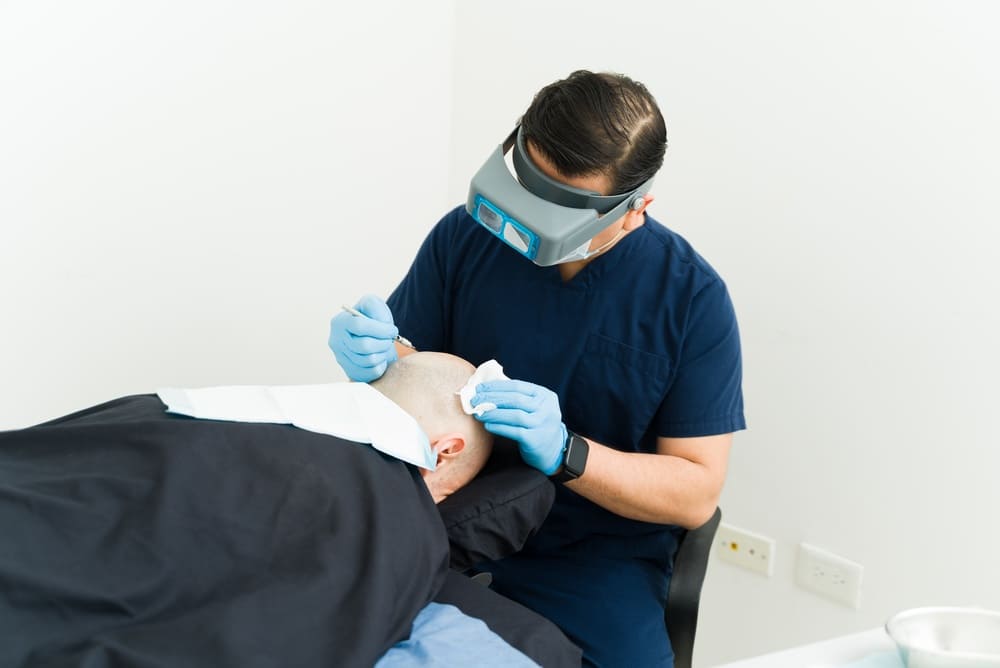
If any of this sounds familiar, a proper scalp check gives you a clear picture of what is going on and what will actually work for your case. A specialist can also rule out other causes, like stress, thyroid issues, or nutritional gaps, so you are not guessing your way through treatment.
Stronger Results Start with the Right Treatment
Consider the DHI hair transplant, a minimally invasive method where the Choi implanter pen inserts each follicle directly into the scalp. This option involves no incisions, no sutures, and minimal recovery, making it ideal for individuals experiencing hair thinning, a receding hairline, or noticeable bald spots. This is potentially the breakthrough your hair has been seeking.
At Grow & Glow Hair Clinic, a trustedDHI hair clinic in Thailand, every journey begins with a personalized consultation. It gives you a clearer picture of what would truly work for your hair, without any pressure to commit. Most patients start seeing fuller hair within three to six months, with full results around the one-year mark. Book your free consultation with us today and let our specialists map out a plan that brings real, lasting change.
References:
- How Vitamin E Can Benefit Your Hair. Retrieved on 22 April, 2026 from https://www.healthline.com/health/beauty-skin-care/vitamin-e-for-hair
- Is vitamin E good for your hair? Retrieved on 22 April,2026 from https://www.medicalnewstoday.com/articles/322836
Frequently Asked Questions About Vitamin E for Hair


